Relativity Space Internship
Additive Manufacturing Engineering Intern |
Relativity Space Internship
Additive Manufacturing Engineering Intern
Summer 2026 | Long Beach, CA
Skills: Laser Powder Bed Fusion, Design of Experiments, Metallography
Core Values: Wonder, Audacity, Relentlessness, and Humanity
Preventative Maintenance Process Development
Increase Production Reliability
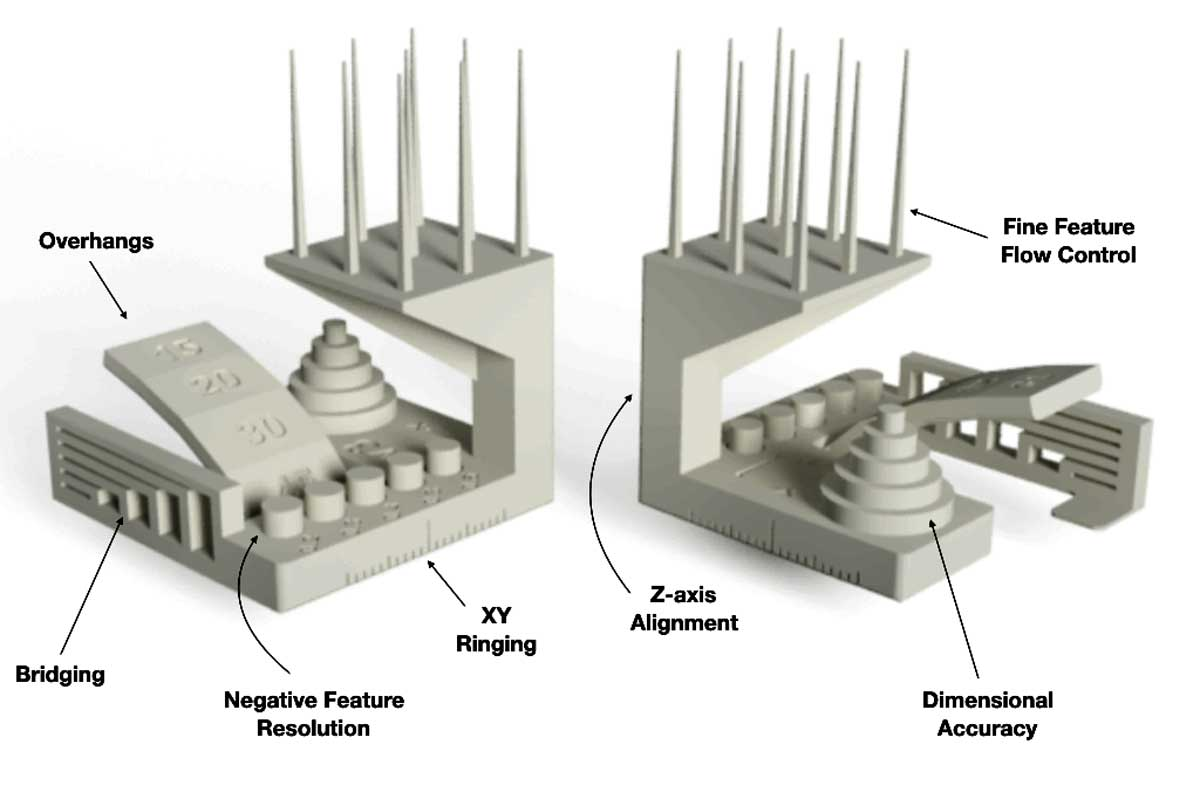
I was set out to develop a metal PBF build as a practical test to verify if a machine is properly calibrated and printing to spec. The image to the left is a model which accomplishes a similar objective for FDM (extruded plastic) 3D printers.
Background Research & Experimentation
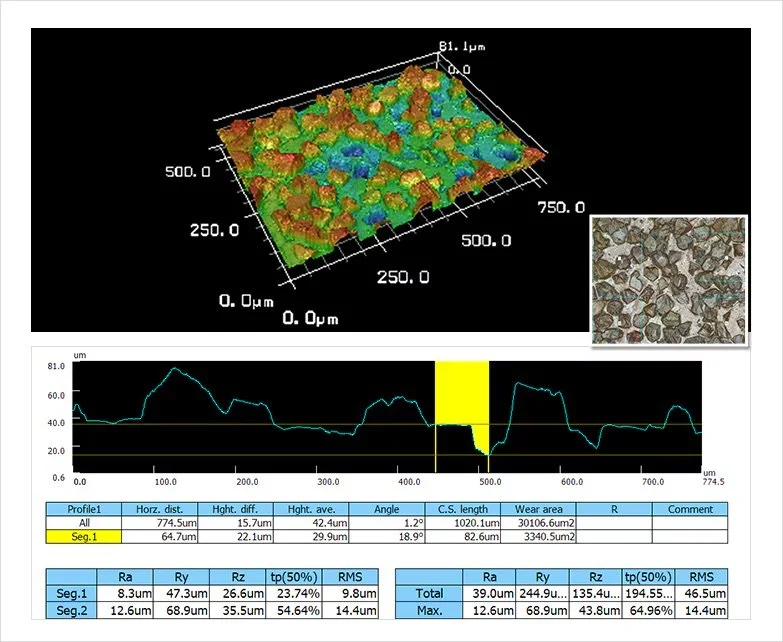
After two months of experiments, research into various industry-standard practices for PBF, and learning about company history with similar maintenance builds I investigated whether this kind of test is capable of providing the value the team initially expected. After analyzing my own parts using methods such as metallography, caliper measurements, and visual inspection, I ultimately determined that such a build would not reliably indicate drift in machine calibrations.
Scope Shift
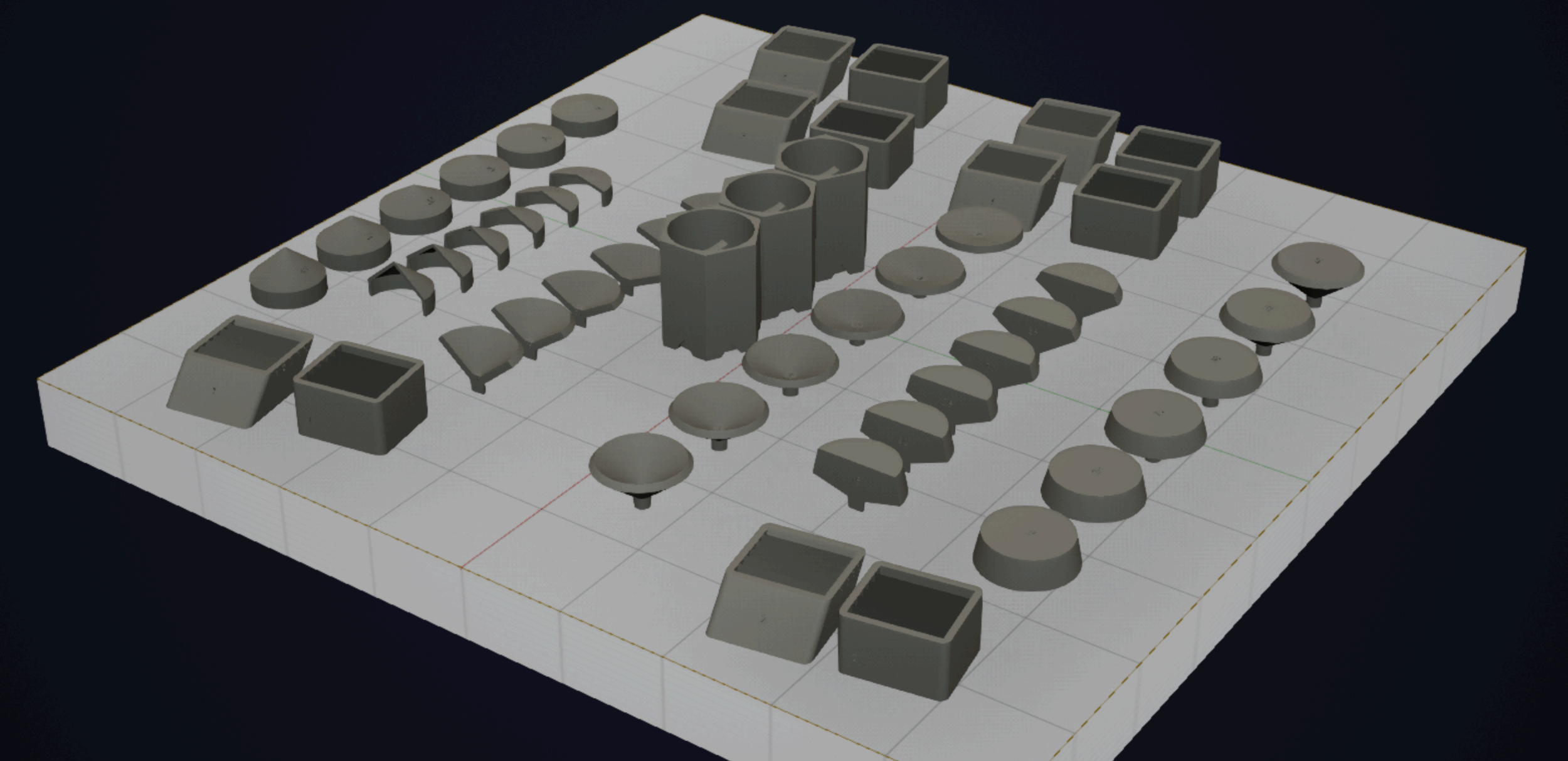
With the same direction in mind, I focused my learnings onto a specific piece of engine hardware with tight tolerances and known points of failure. I developed new coupons specialized for the specific part which could indicate if a machine needed recalibration before building an entire piece of flight hardware. This specialized build has the potential to save $100,000’s if it can prevent even a few failed prints.
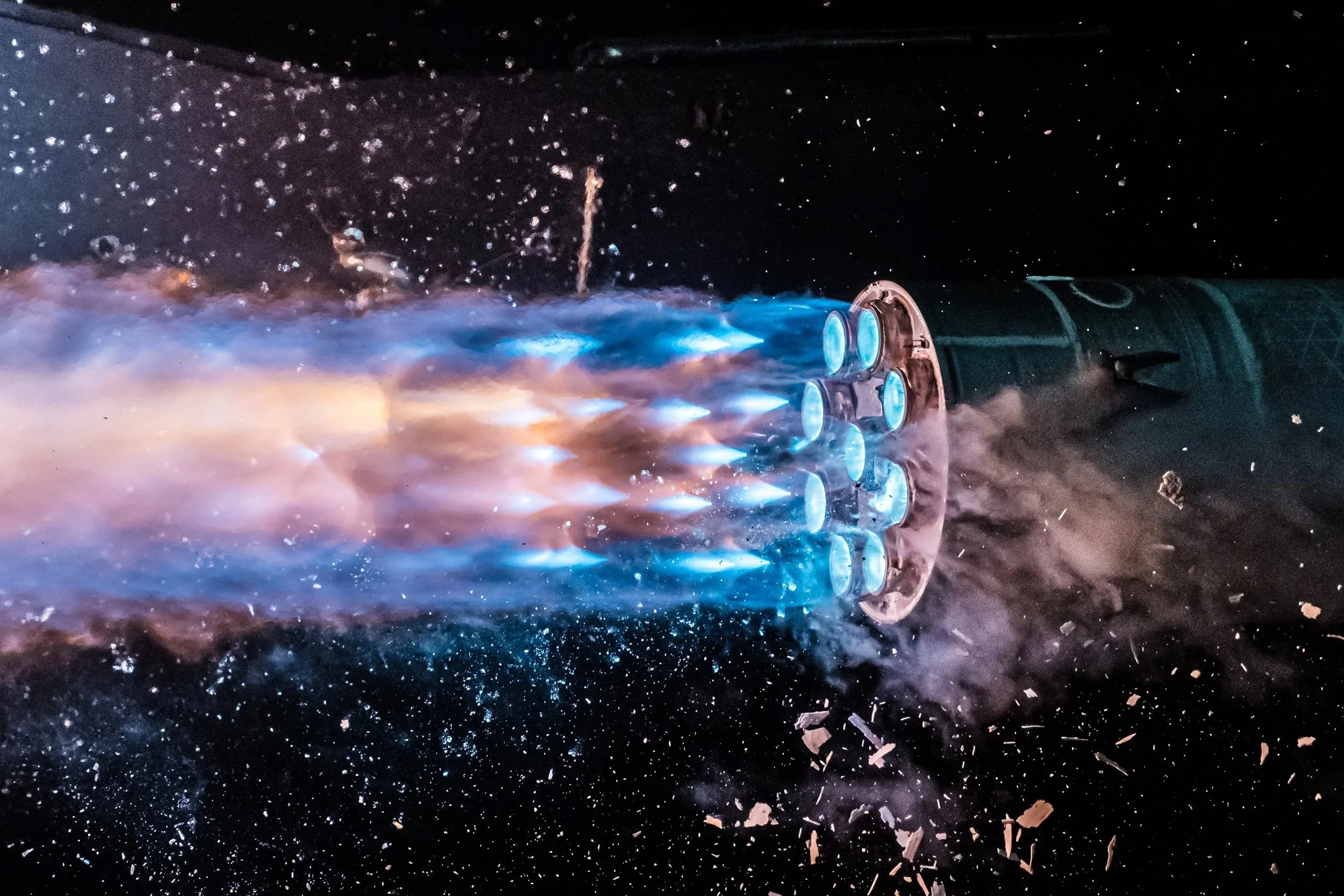
Note: The images are merely visual aids to describe my work, and are not directly representative of the work I completed
FOD Prevention
Minutes Printing Saves Hours of Machining
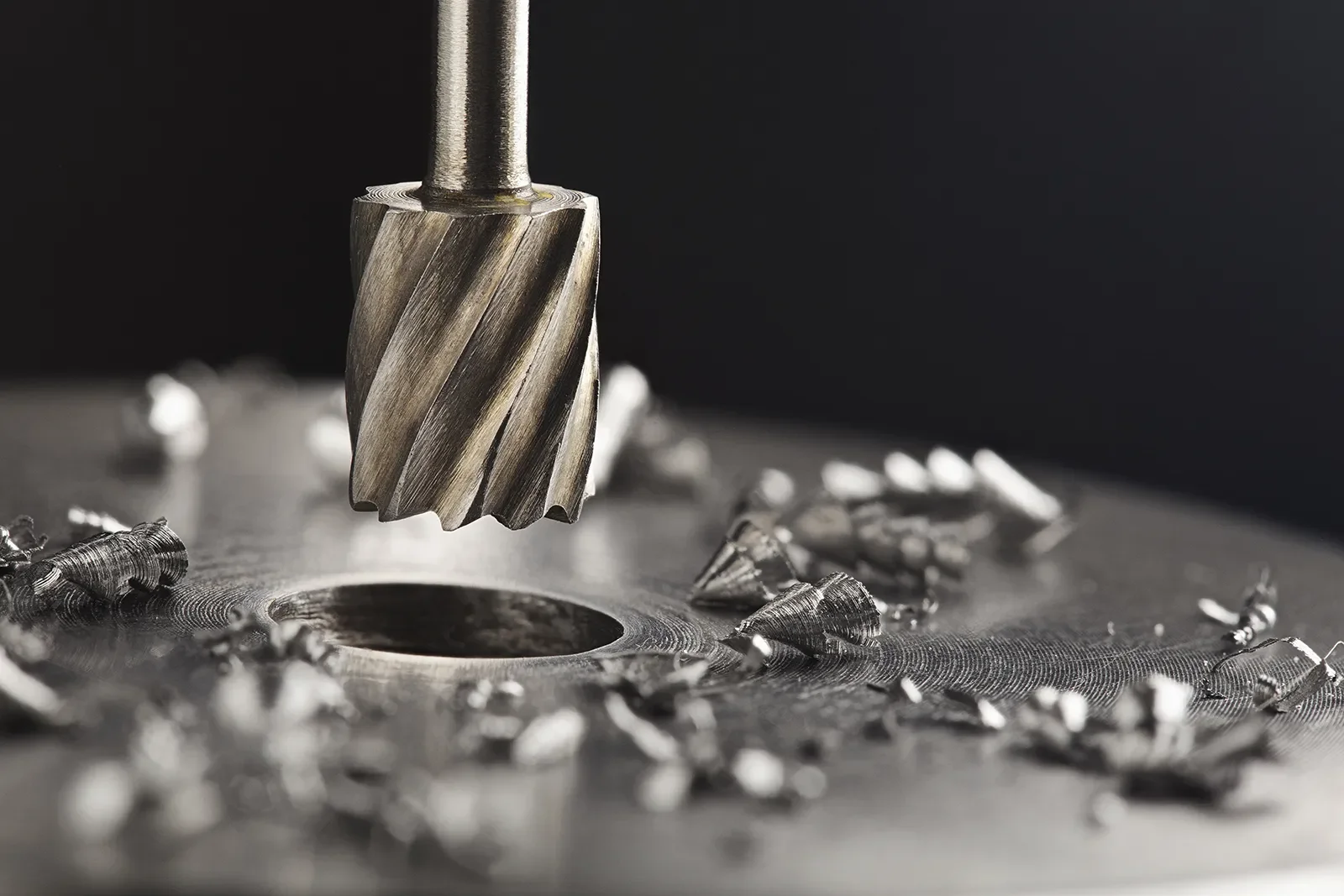
Can I simplify machining operations using clever geometry printed directly into flight hardware? In particular, can geometry be added to winding wormholes in various components to prevent machining FOD from falling into the parts during all machining steps?
Robust DOE and Analysis
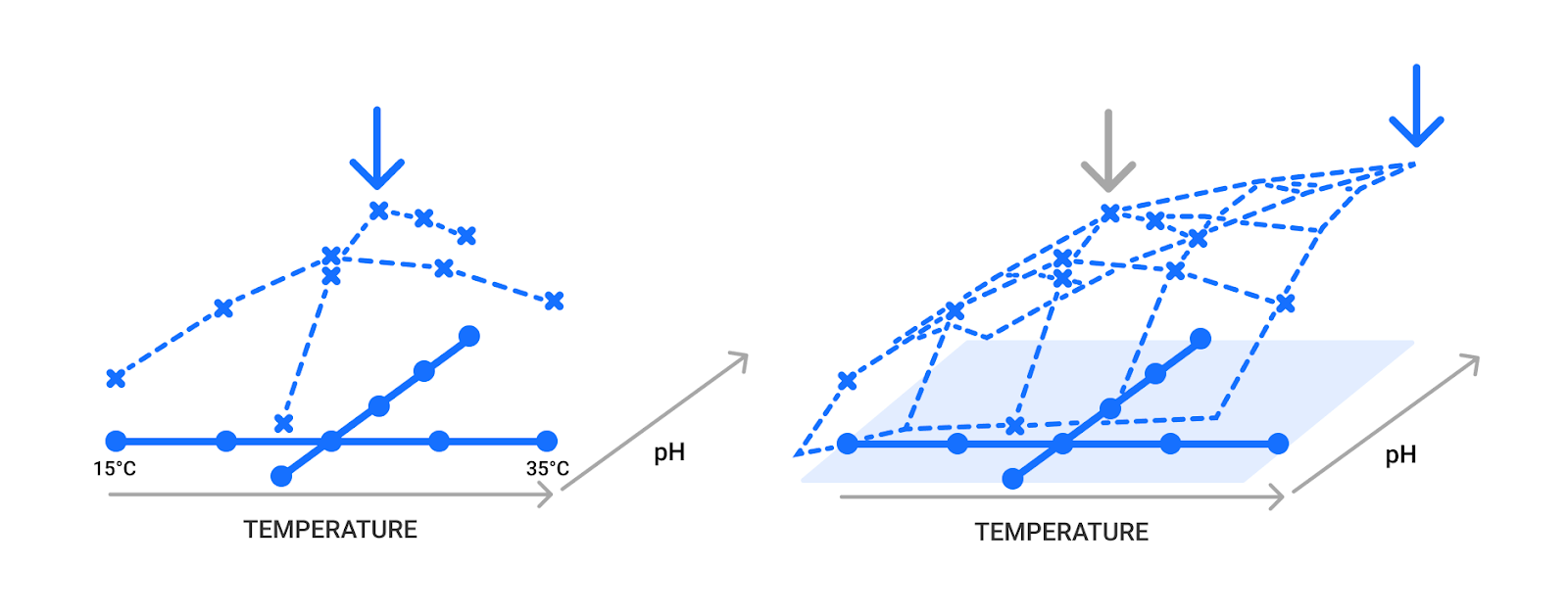
Conducted 3 experiments, each closing in on which parameters were relevant and their respective acceptable ranges. As testing progressed I became increasingly more sensitive with my data collection and analysis in order to resolve the effects of shrinking parameter changes.
Hardware Integration
By the 3rd build I was testing a finalized set of parameters on qualification builds to validate the design with no exceptions to our process. This build went successfully, passed all utility and strength testing, and was ultimately qualified to fly.
Note: The images are merely visual aids to describe my work, and are not directly representative of the work I completed
Printer Alarm System
Reduce Failed Prints
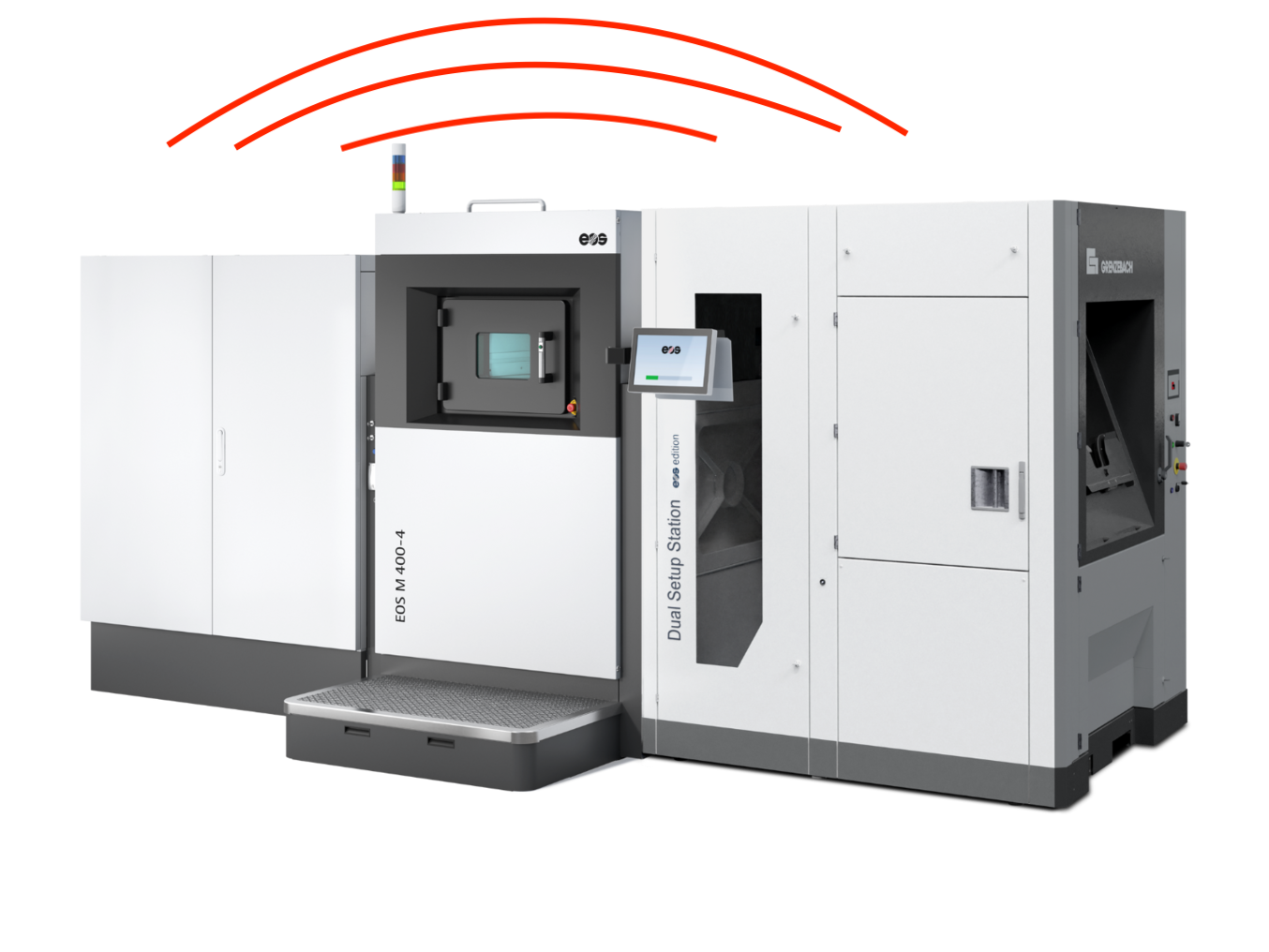
From the factory, the powder bed fusion printers would only signal a print error to the user via a flashing red light. This means, despite technician presence at nearby machines, they may not notice a print error if they never look directly at the machine. When 20-30 minutes can be the difference between a flight-qualified hardware and a $100k paperweight, reducing response time to these errors pays major dividends.
Machine Integration
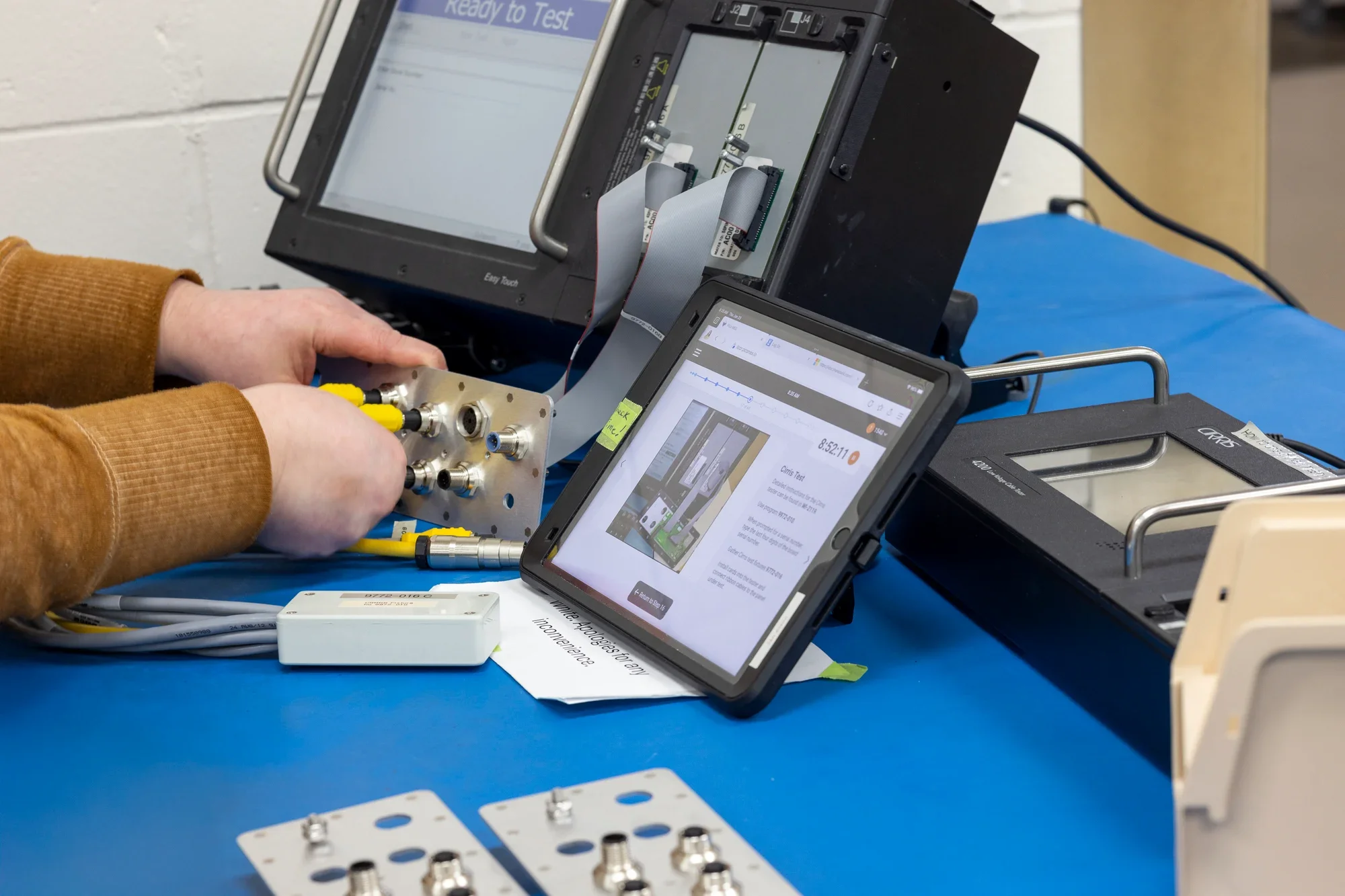
After experimenting with external sensors, combing through manufacturer schematics, and running tests on the bench I finally settled on directly intercepting the machines’ light signals as the input for my system. Additionally, a master switch equipped with a “Snooze” function was implemented in the case of maintenance or other reasons for machine errors outside of printing to shut off individual machine alarms. As the final system stands, the electronic integration poses no threat or alterations to the OEM systems while introducing the new functionality which is expected to save $100,000’s after saving even just a couple prints from failing.
Sustainable Sendoff
As Relativity grows rapidly and expands their PBF department in-step, creating clear and thorough instructions was almost as important as making the system reliable. With this in mind I compiled build instructions for all machine types and make accompanying installation instructions. Included in these instructions are quality control checks and troubleshooting instructions for technicians or engineers who may be unfamiliar with the system.
Note: The images are merely visual aids to describe my work, and are not directly representative of the work I completed