ILLINI SOLAR CAR
Involvement: Director of Operations, Melec Subteam Lead
Skills: Seimens NX, Ansys FEA, Rapid Prototyping, Leadership, Collaboration
Calypso Steering Wheel
Steering Wheel Enclosure for our 3rd Generation Solar Car
Reimagination
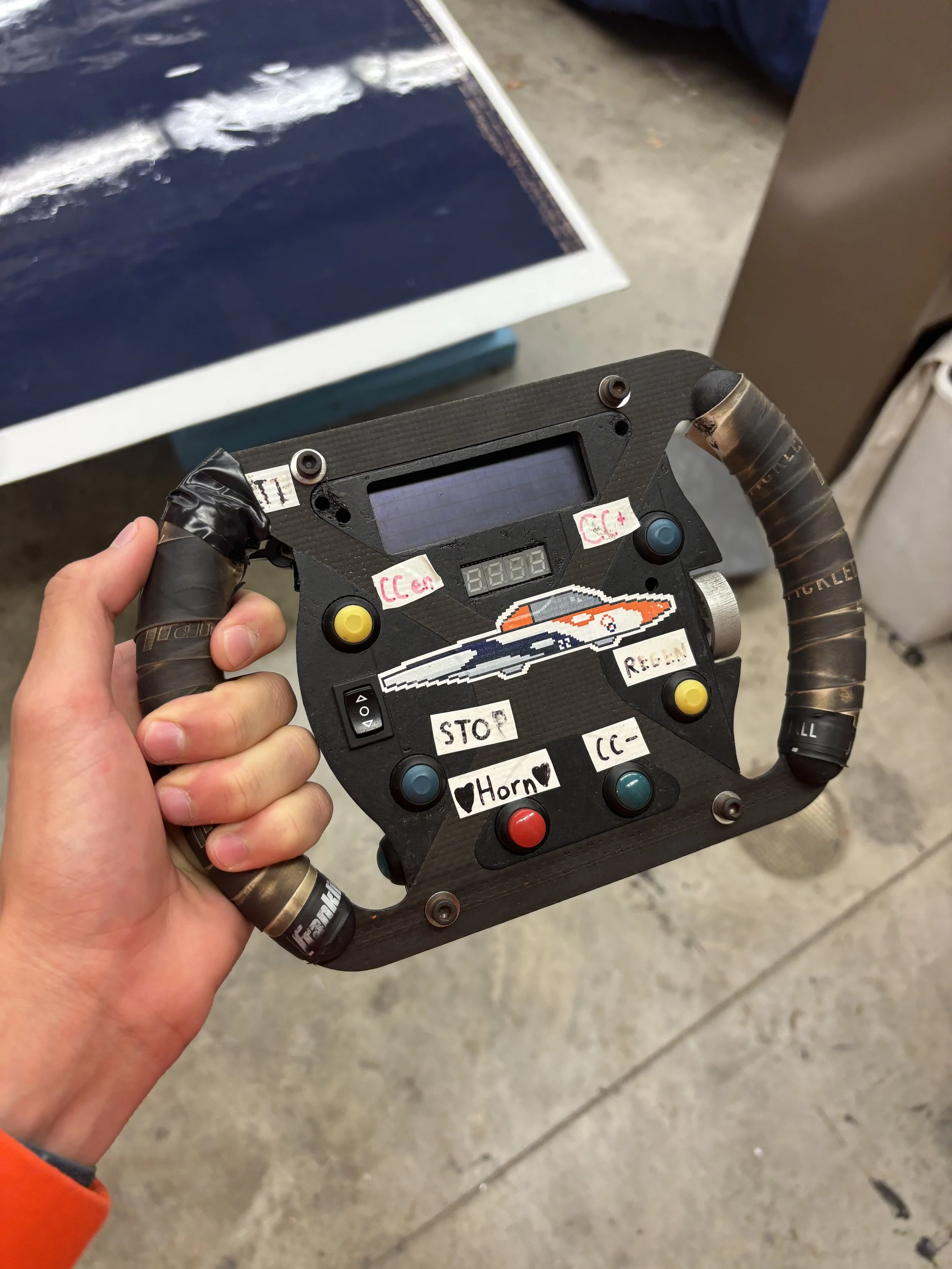
My teammate and I were assigned to reimagine the steering wheel design for Calypso’s second race.
Main areas for improvement included a renovated braking control scheme and improved design for assembly.
Ideation
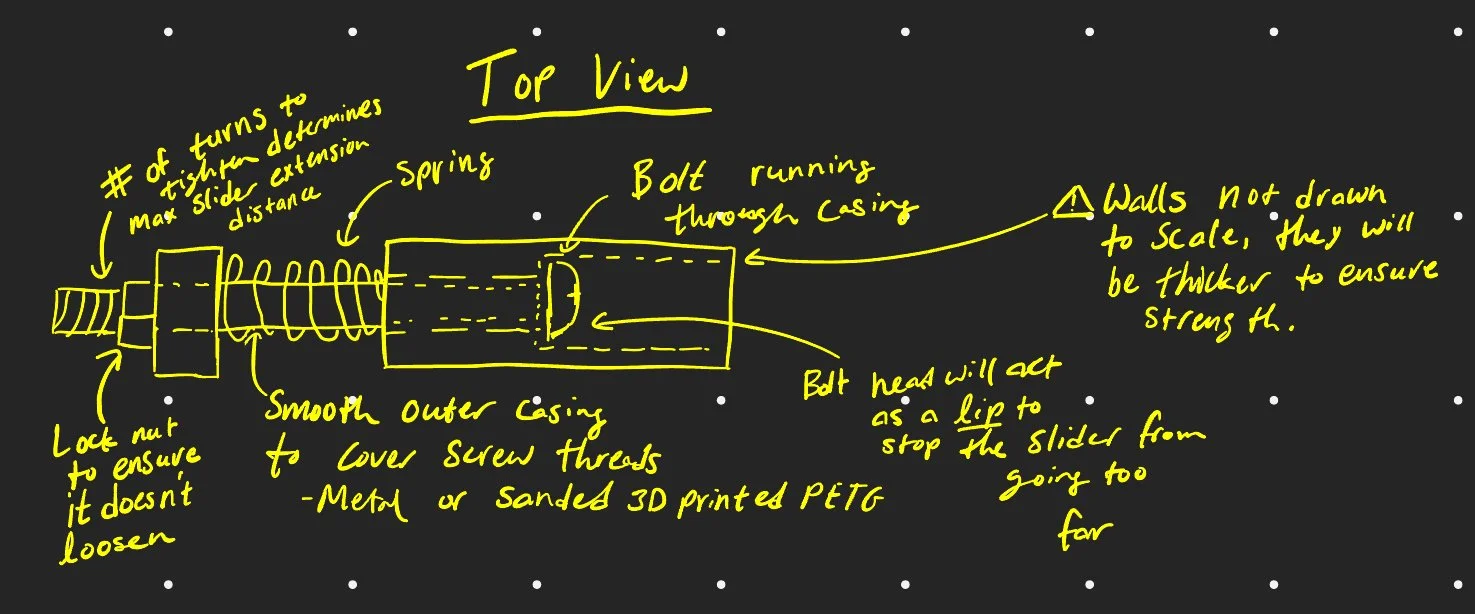
Ideas ranged from simple mechanisms to hold parts in place during assembly to crazy brainstorms for how to create an effective and ergonomic braking control system. Ideas for braking control ranged from XBox controller style triggers all the way to race car paddle shifter levers.
Prototyping
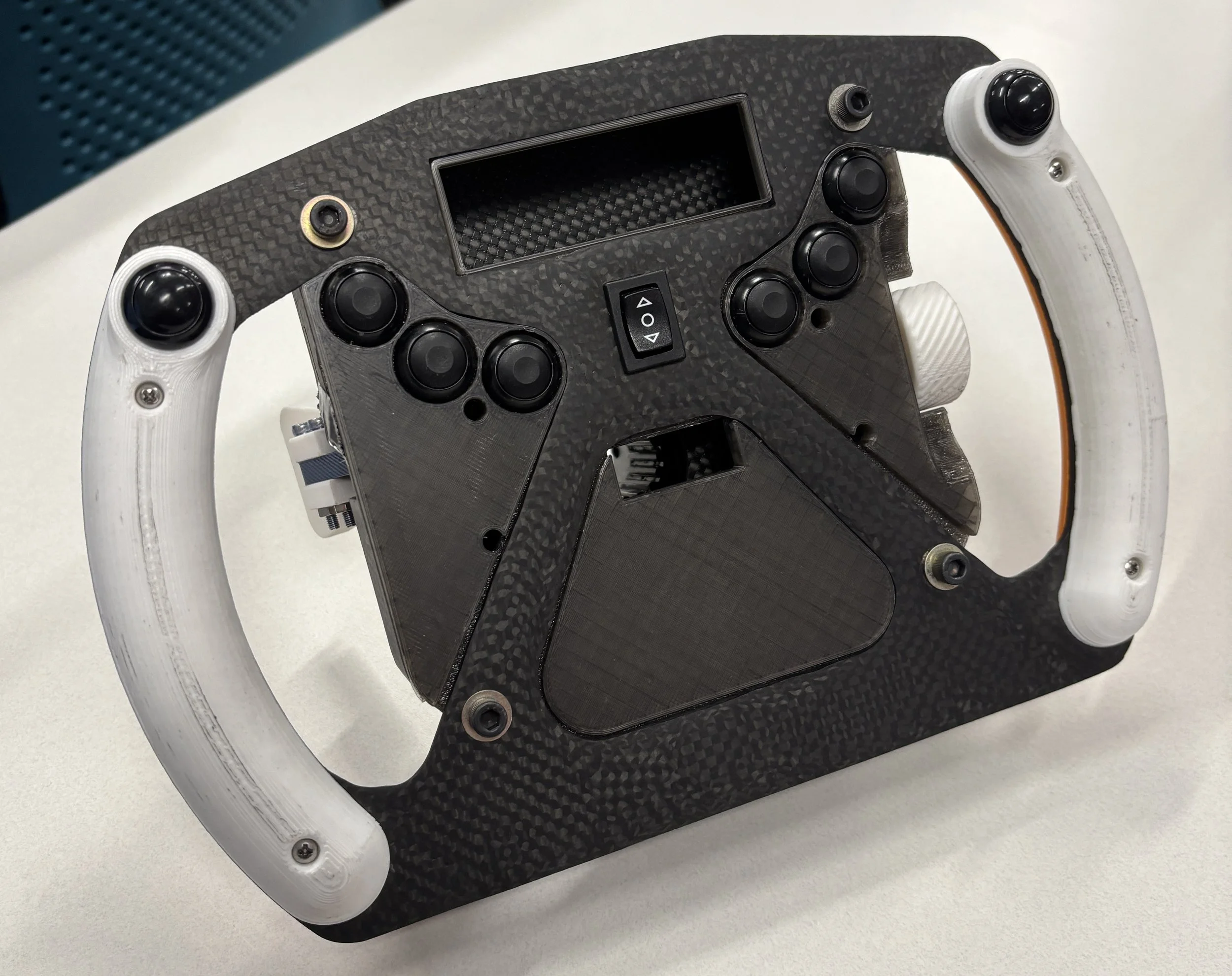
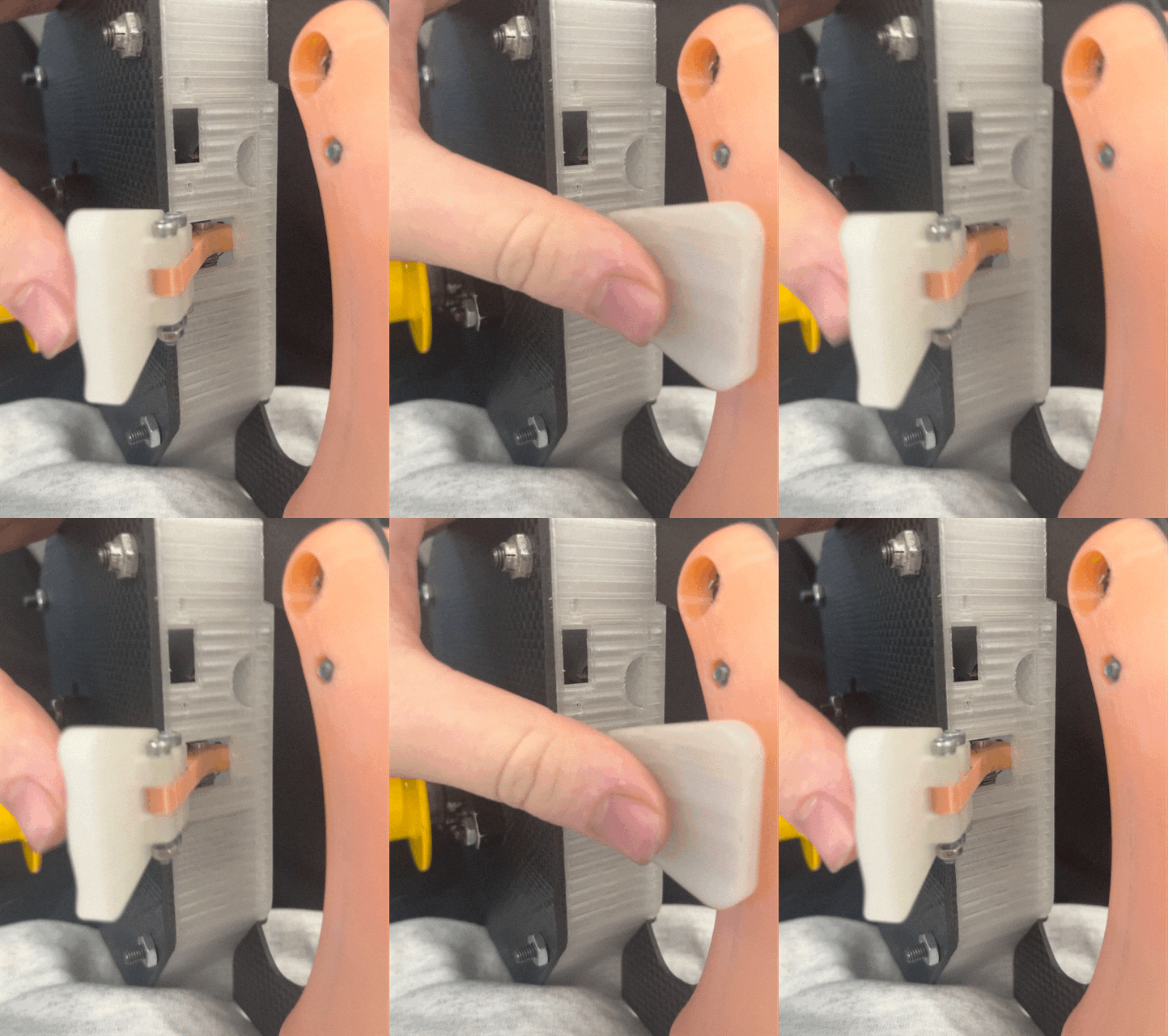
Ergonomic Focus
The braking control paddle was the first area I focused on for improvement. Ergonomics drove decisions for position, length, shape and size, which were refined during prototyping.
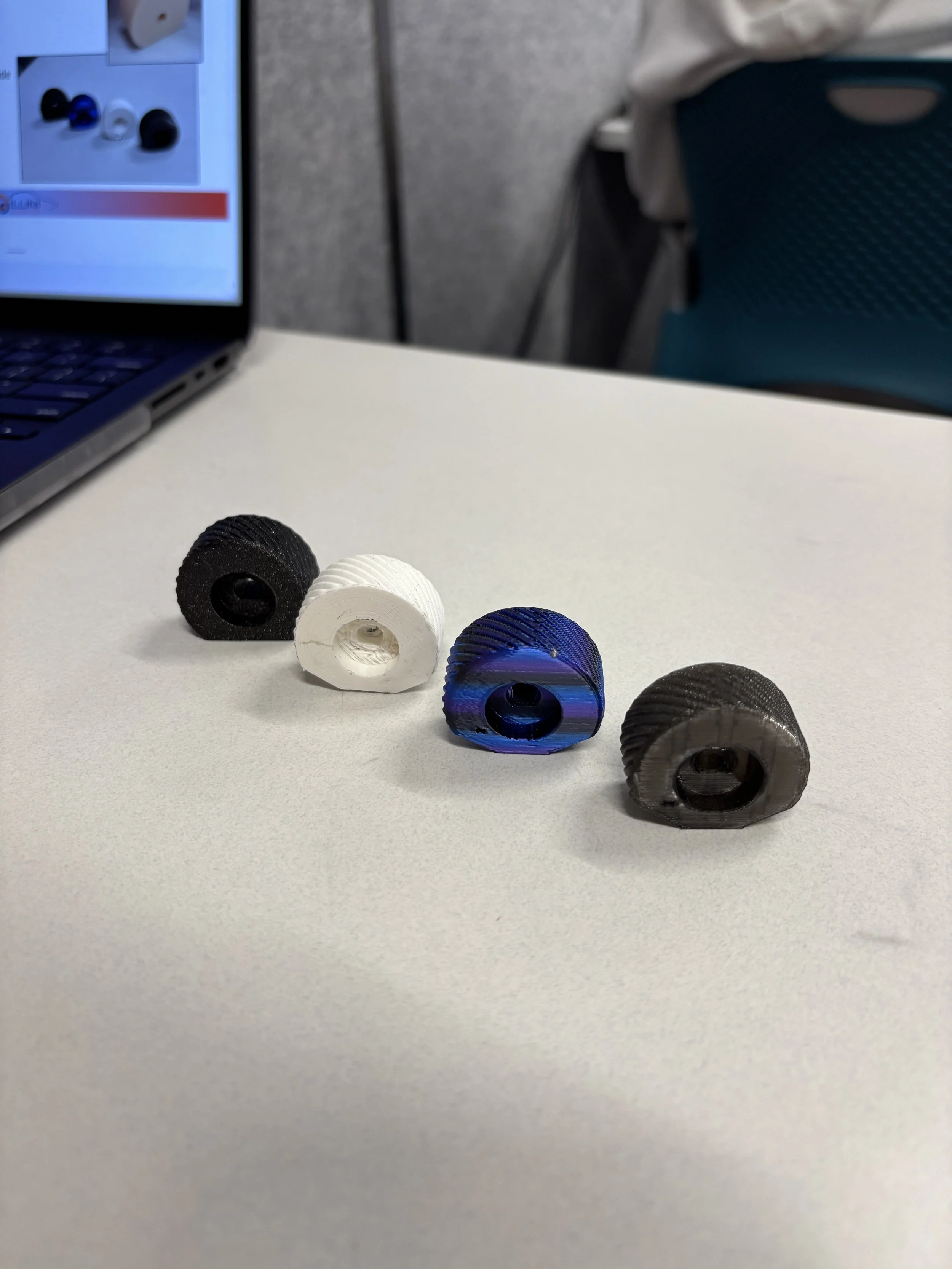
Additionally, I determined that maximizing grip and minimizing assembly complexity of the acceleration control wheel were crucial areas for improvement.
I iterated 9 times on the acceleration control wheel till assembly could be completed independent of other components on the wheel and received positive feedback from drivers.
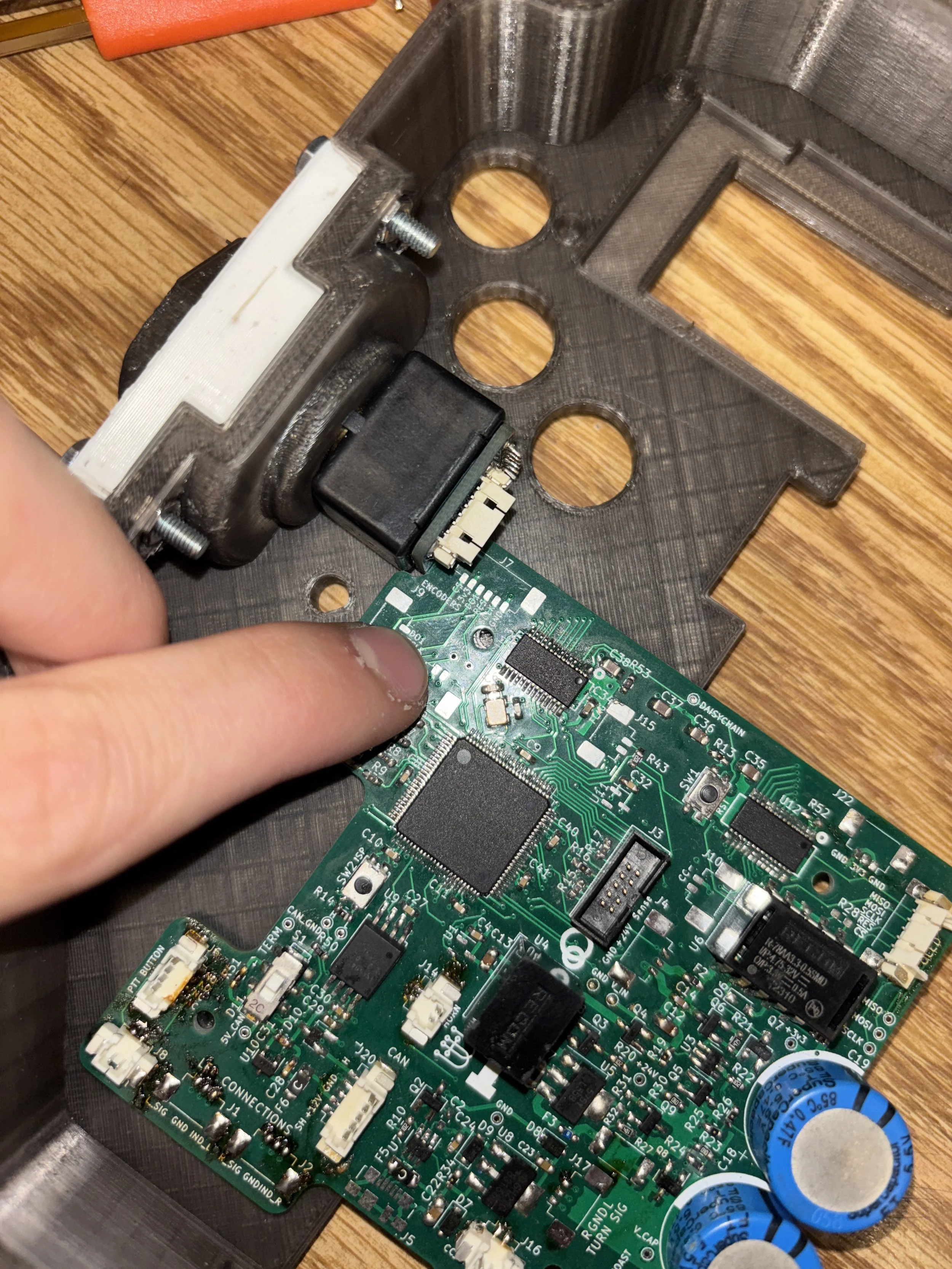
This stage also allowed me to test fit and finish for electronic components to ensure that the electrical team would be able to install their parts and finish their work efficiently.
Due to this project experiencing few mechanical loads, testing was one of the easier stages of development.
I coordinated with previous drivers and the electrical team to get feedback on ergonomics and verify that all electronic components were easy to install and access.
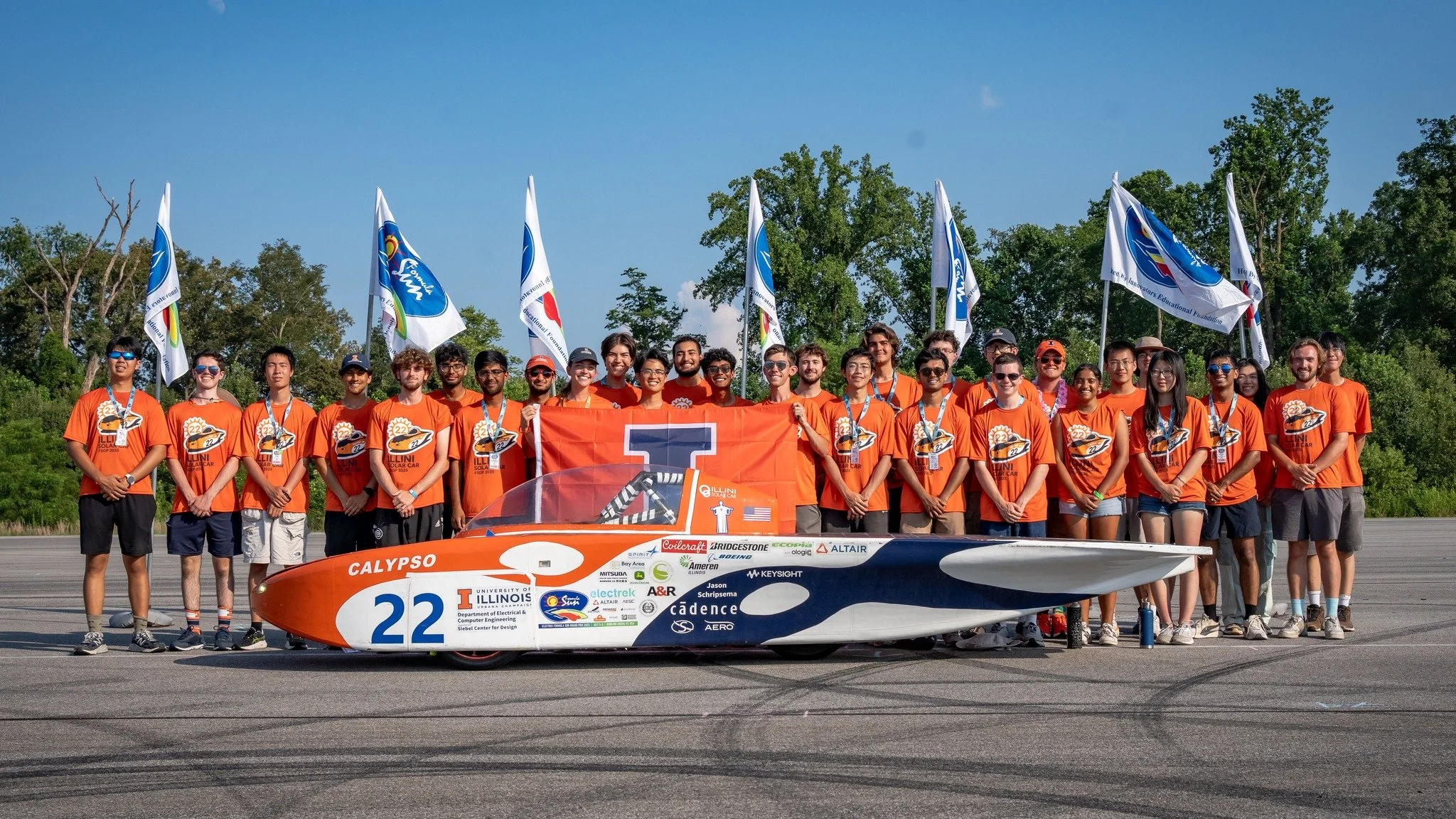
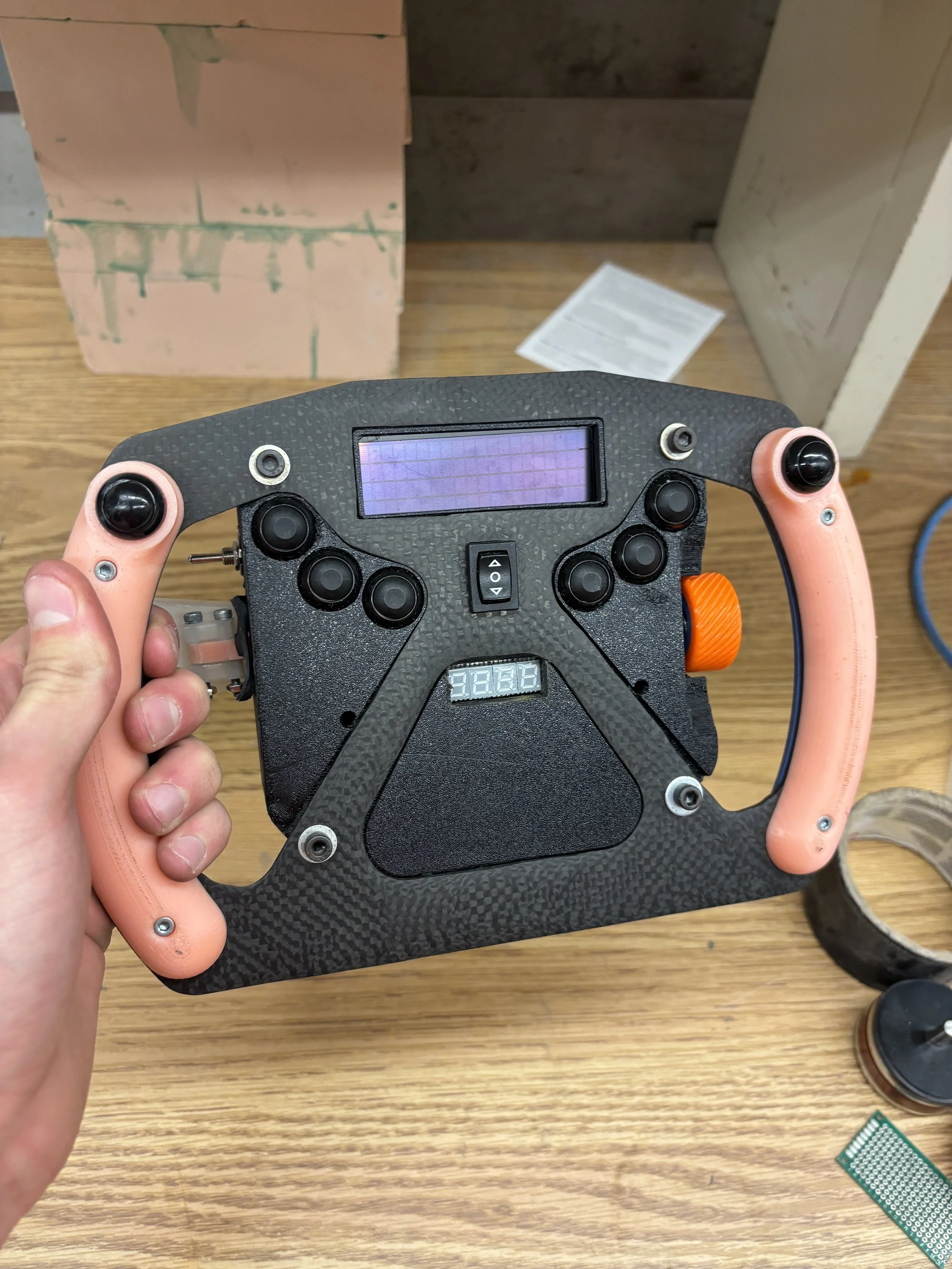
After completing the build, the team took the wheel to the race this summer and won first place.
Production & Testing
Final Result
Project D Top Shell Structure
Making optimal aerodynamics a reality using FEA and composite materials
Note: This project is in progress and not yet complete
Make it Real
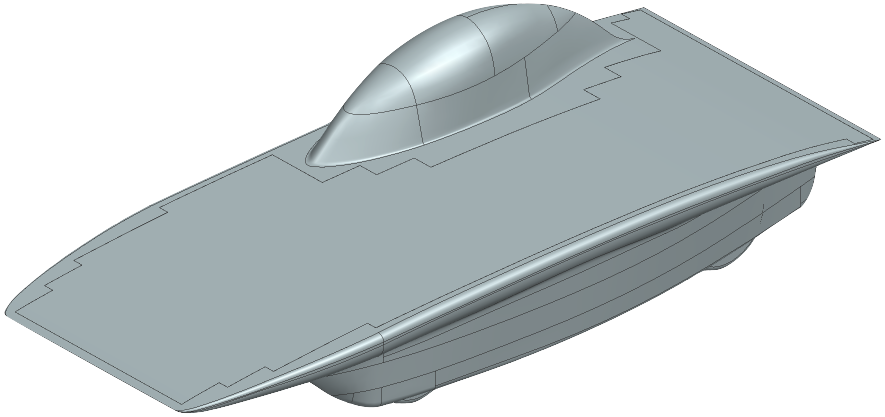
Our aero team designed a hyper efficient shape for our car, and it came time to make it a reality — this is where I stepped in. I was tasked with making the theoretical top surface of the car a reality, considering everything from structural stability to manufacturing plans and laying out the array on top.


Statics & Materials
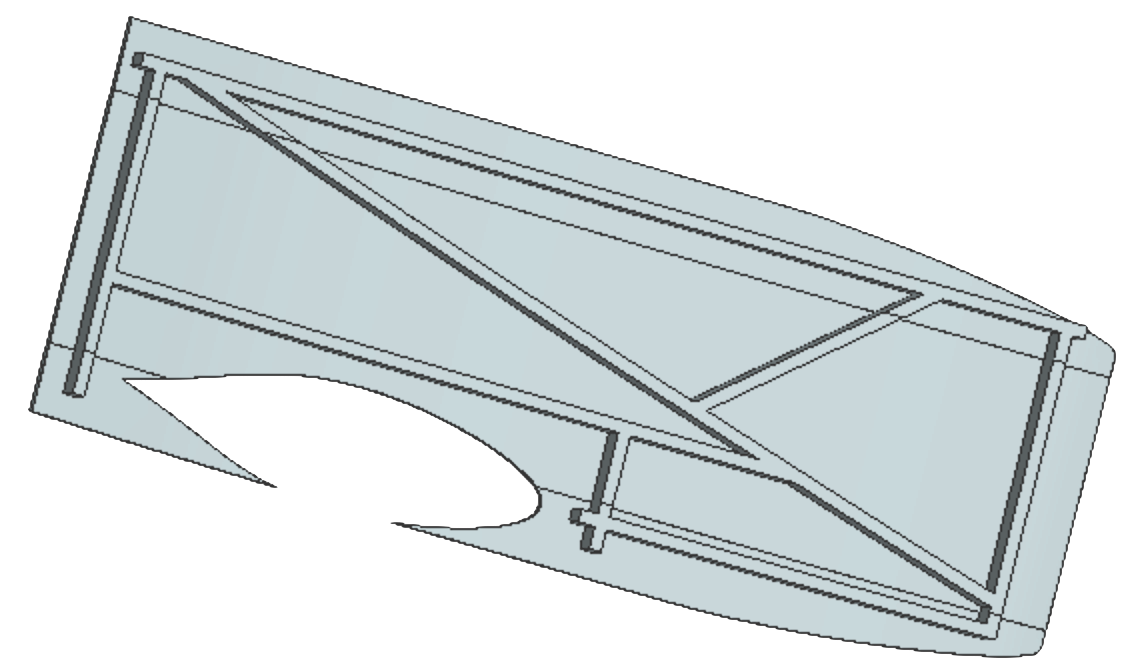
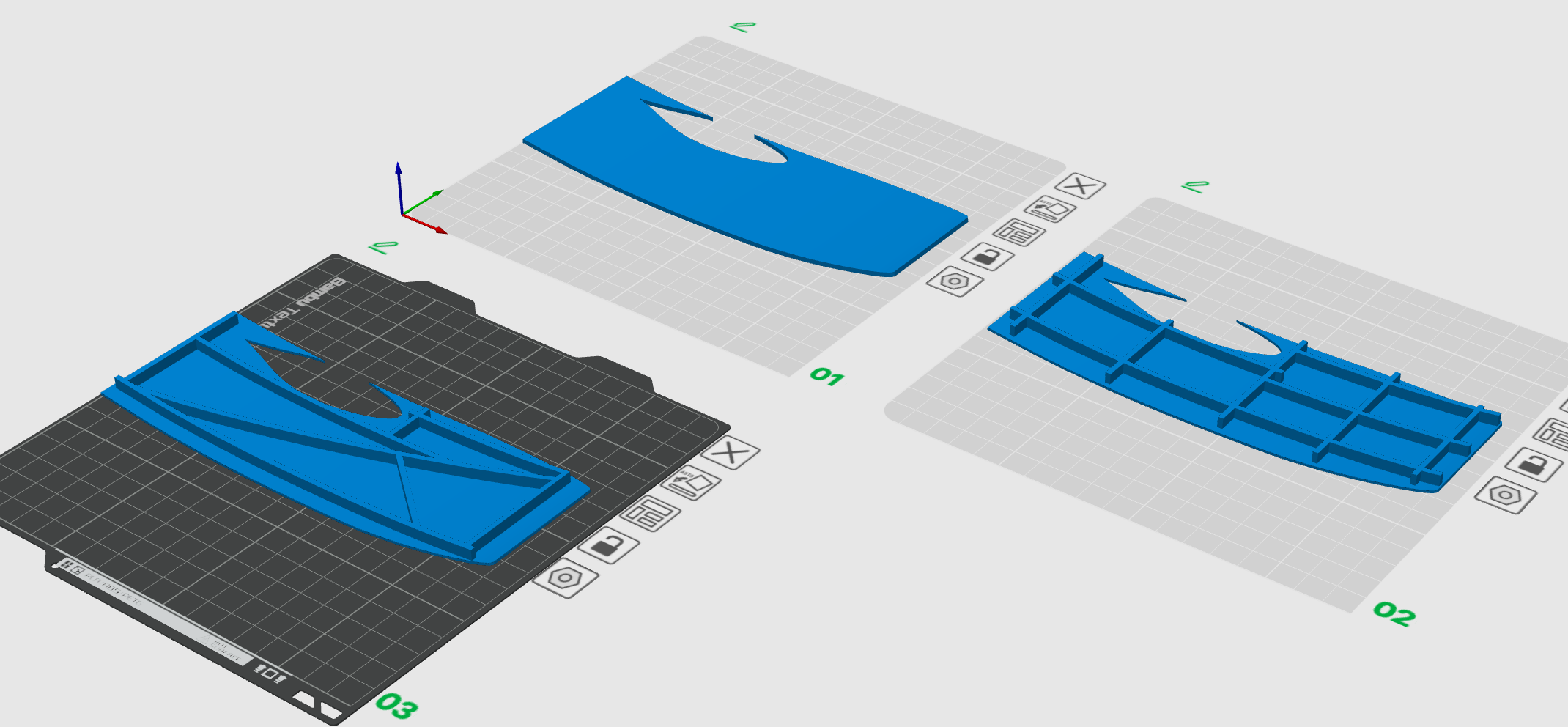
First, to a frame of reference for the rigidity of the initial structure, we 3D printed scale models of a few rudimentary designs.
Then we took these designs to Ansys to get a more solid, yet still very imprecise feel for how different composite schedules will respond to some very simple load cases.
Lightweighting
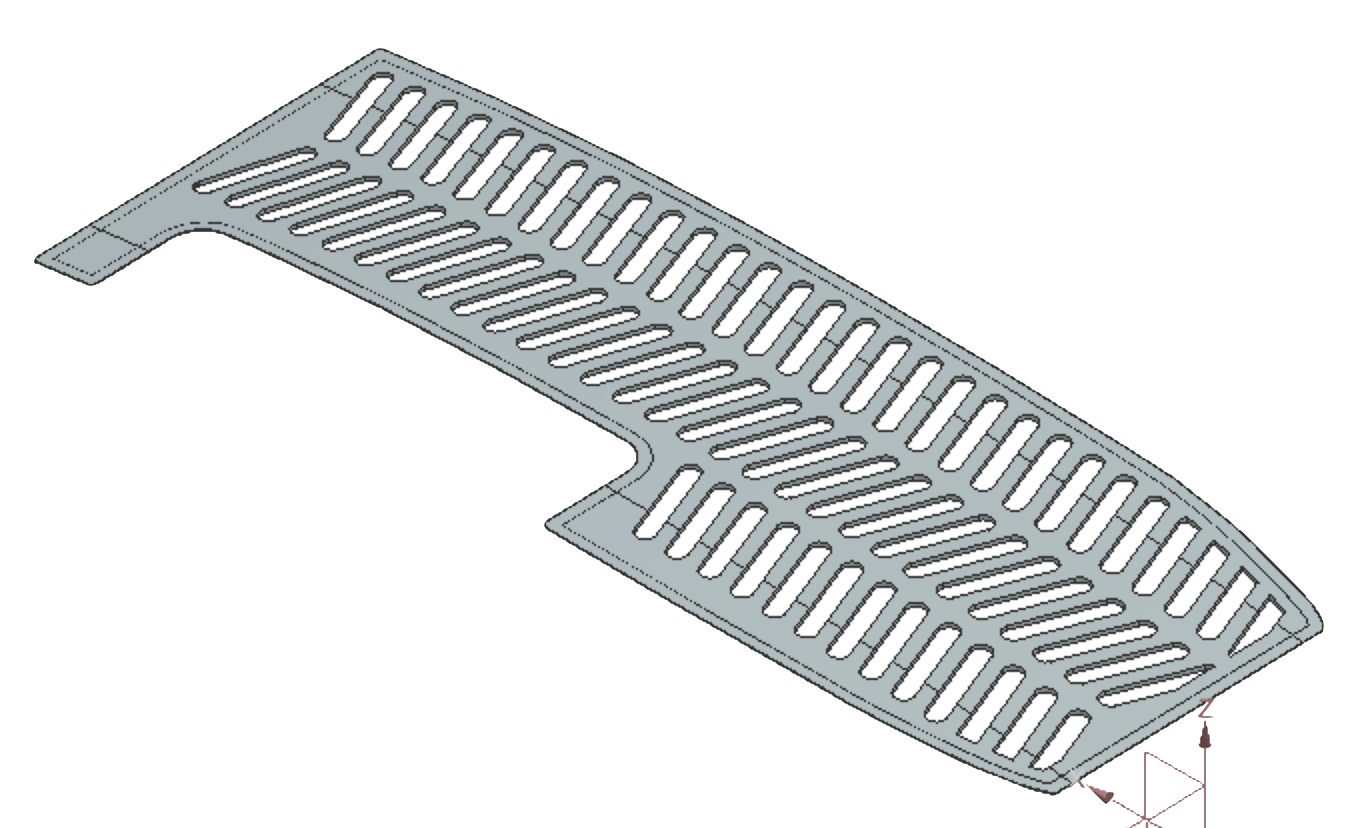
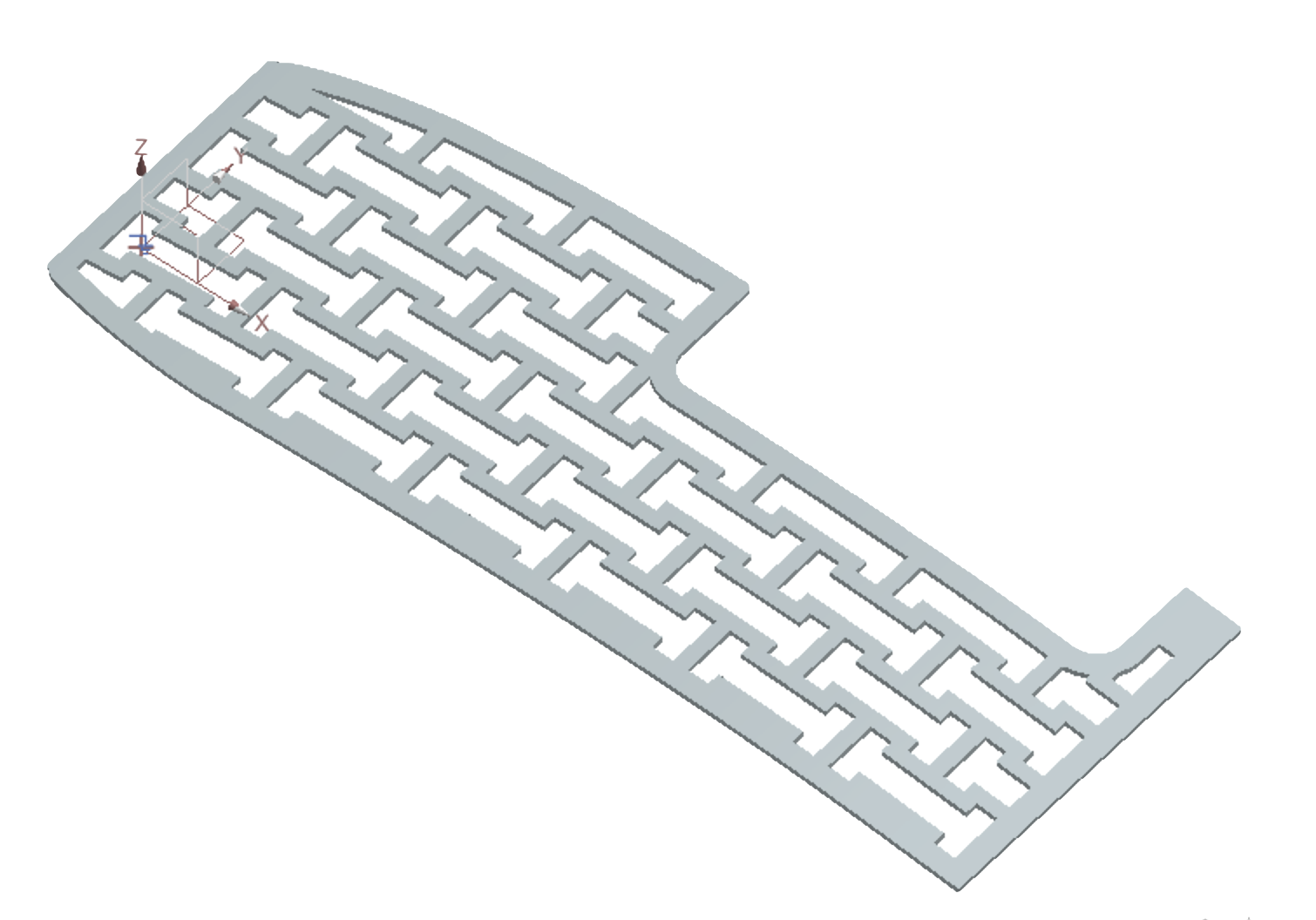
Next was zooming in on smaller problems such as manufacturing light-weighting holes, ensuring proper fit at edge cases, and planning with the electrical team for array compatibility.


Composite
Molds
After returning from a semester abroad, I dived straight into finishing the molds and preparing for layup.
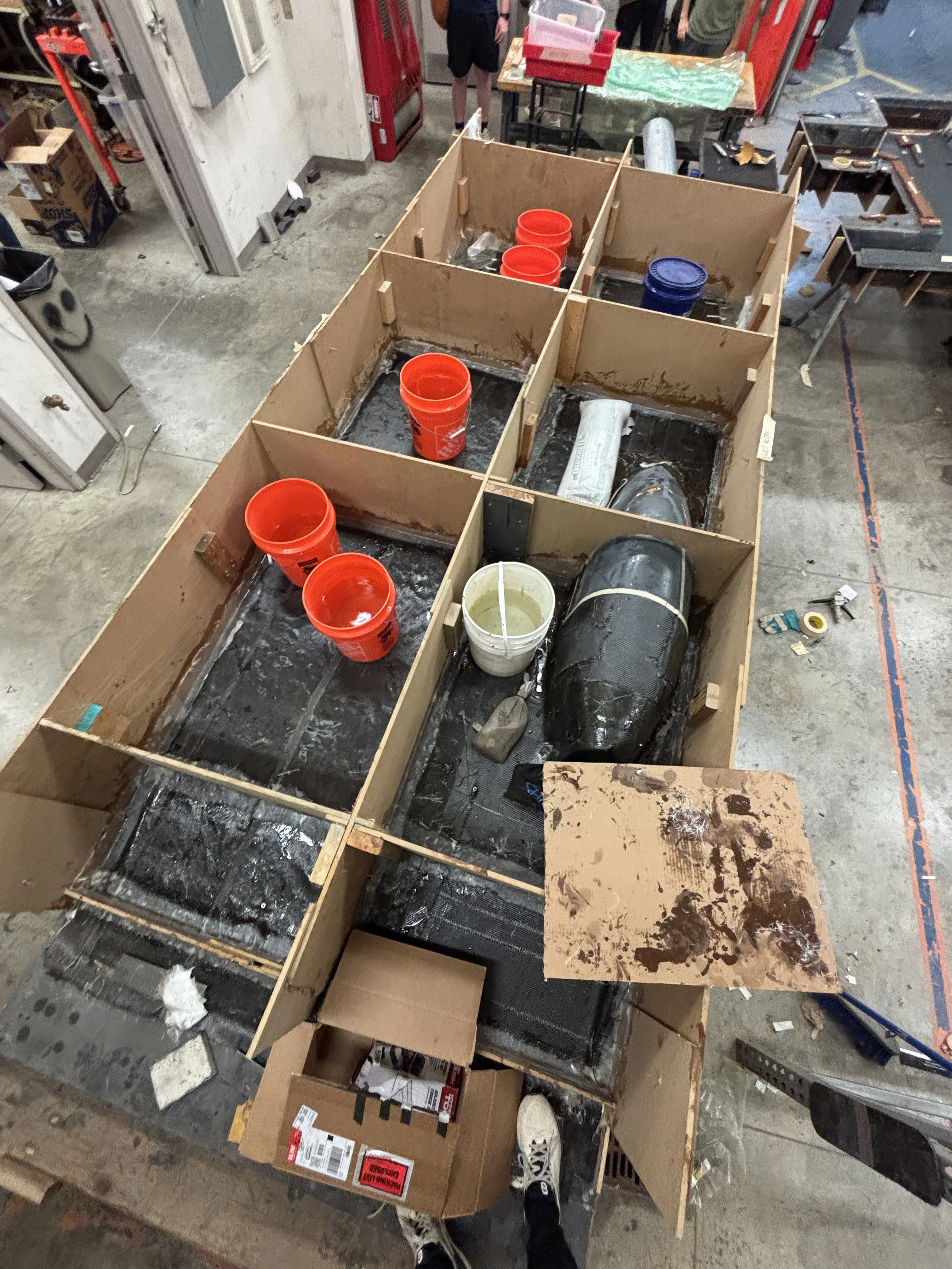
Mold preparation consisted of lots of sanding, geometry repairs, and vacuum bag tests.
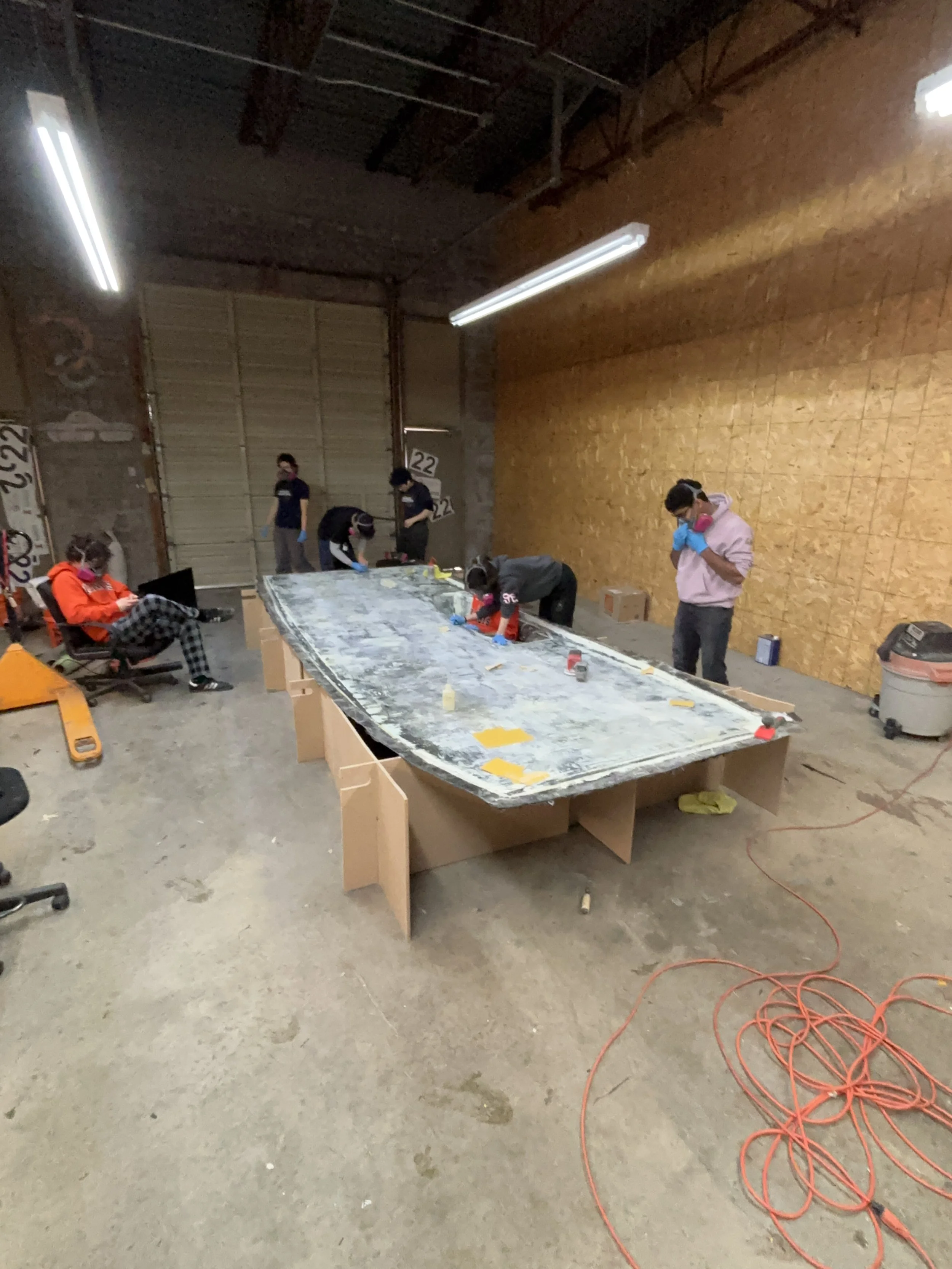
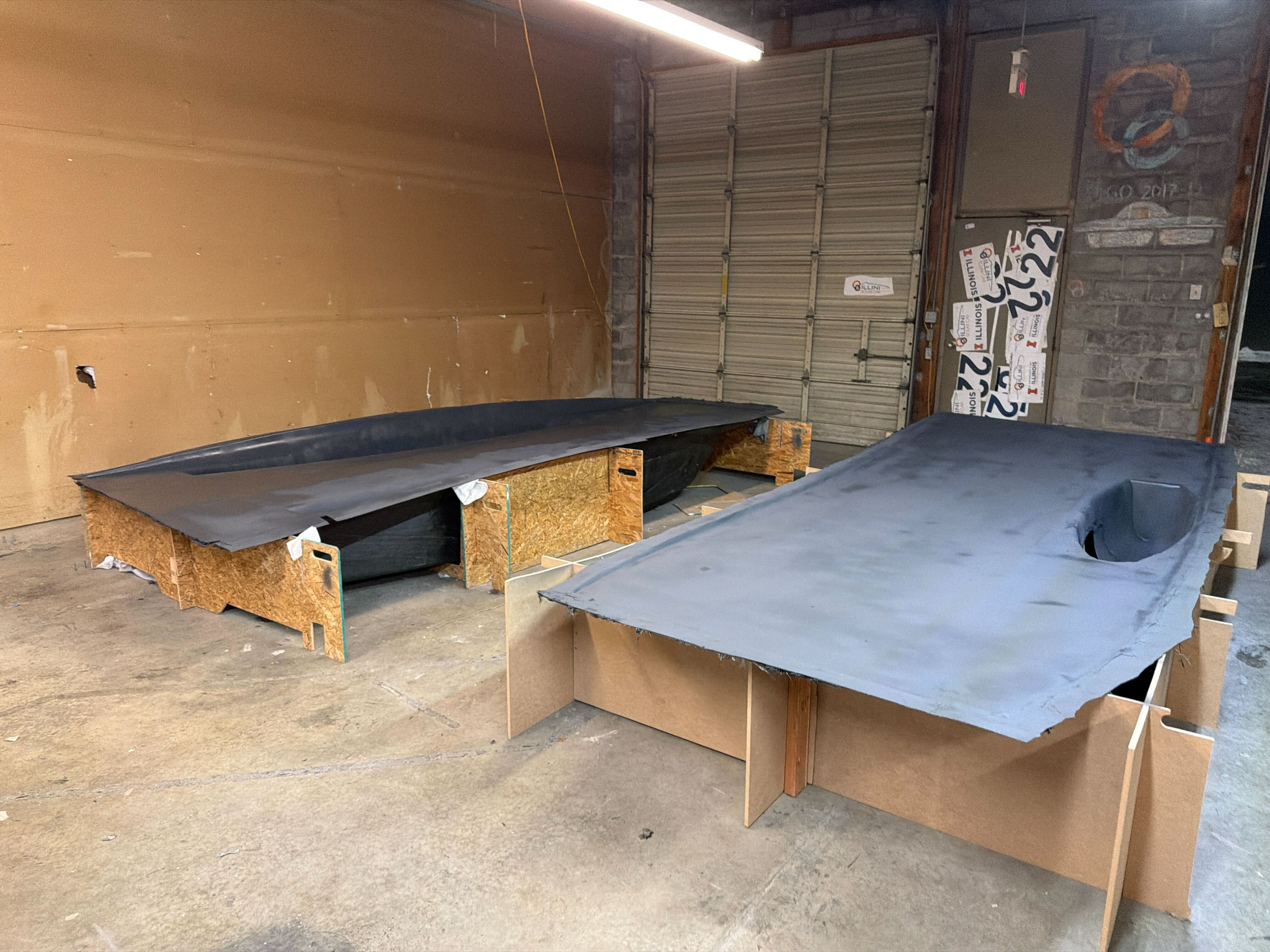
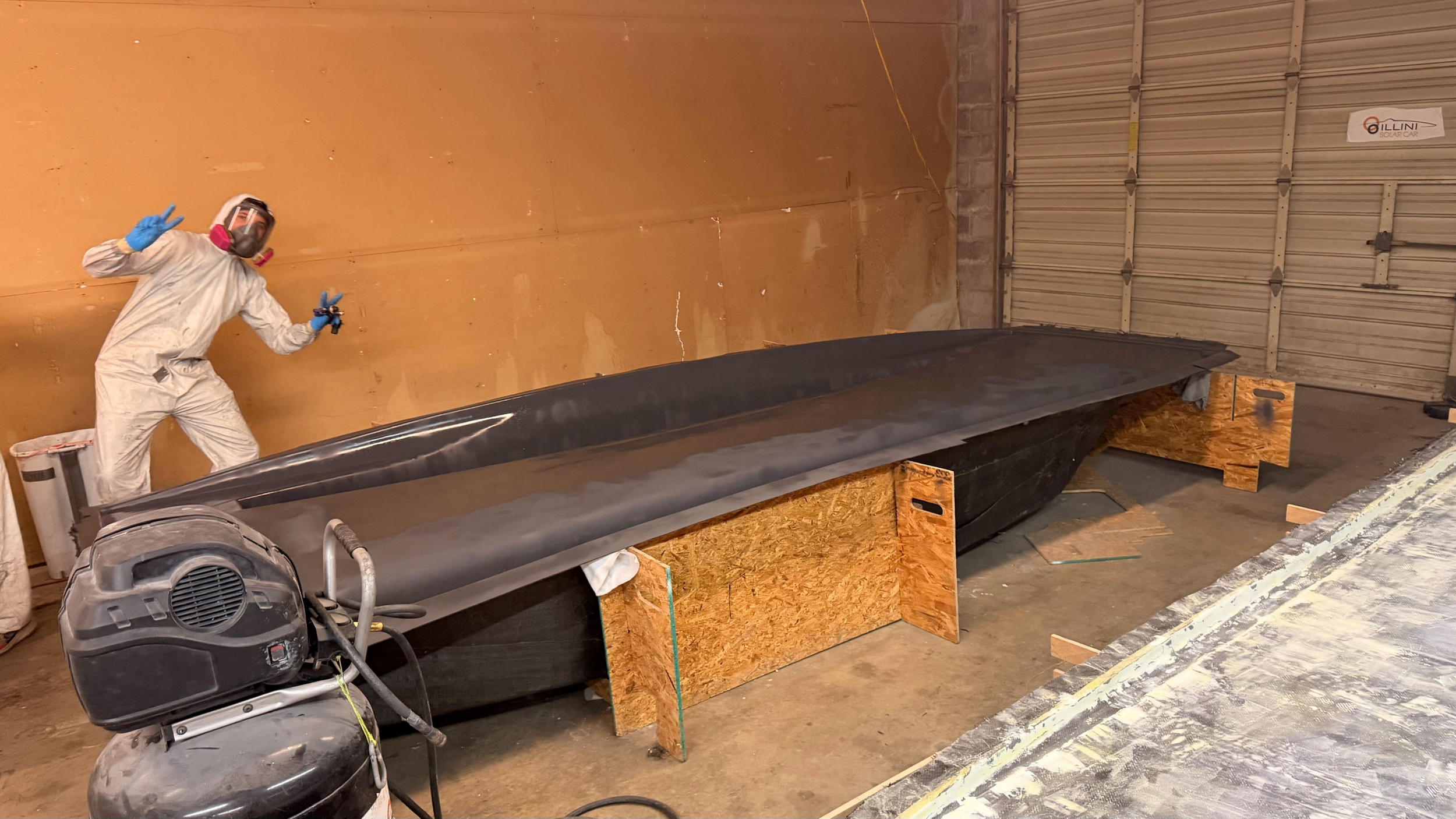
Layup Leadership
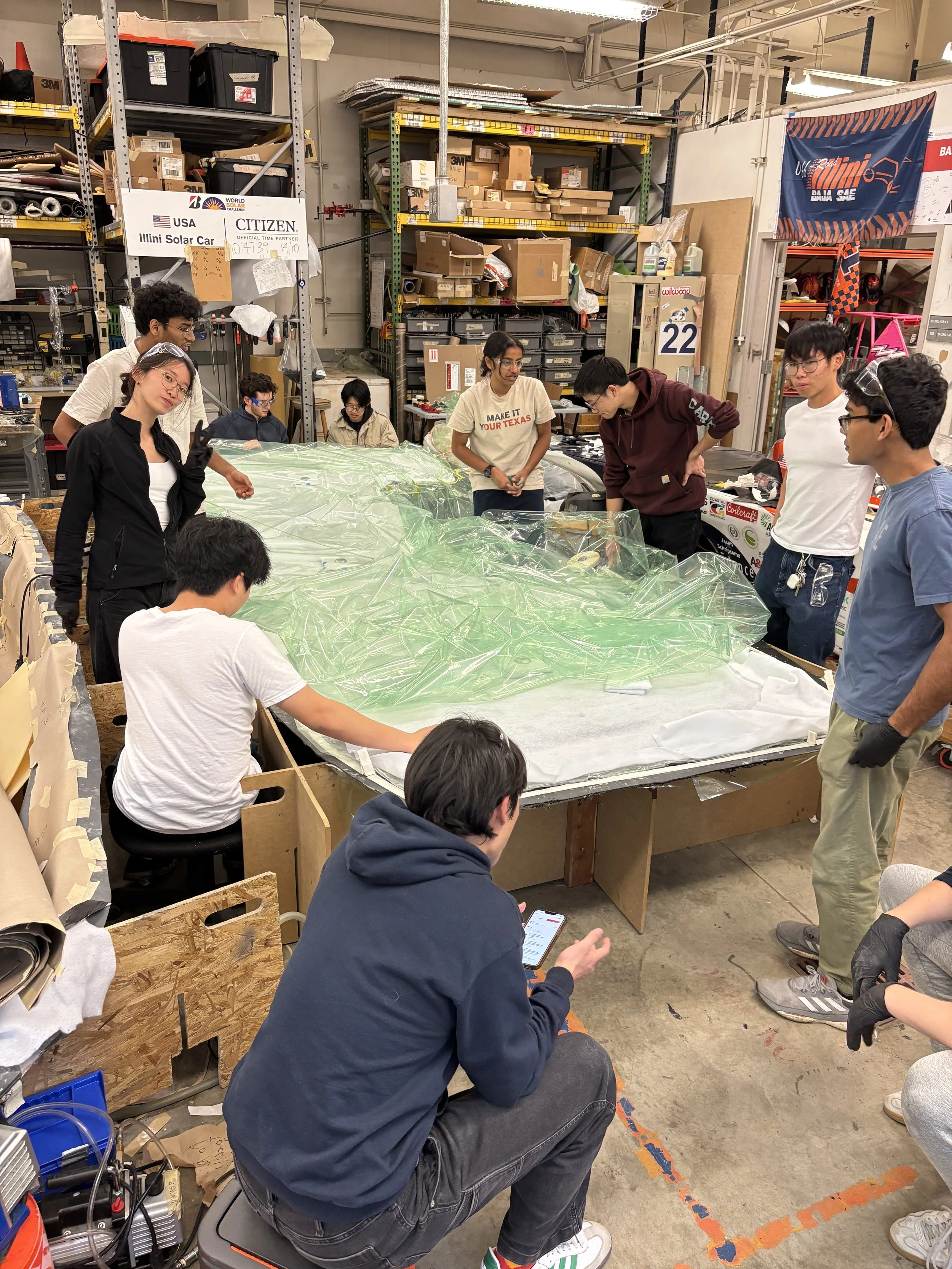
After the final passes of surface prep were complete, I was put in charge of everything required to manufacture our top shell. This encompassed mold repairs, layup, and process development.
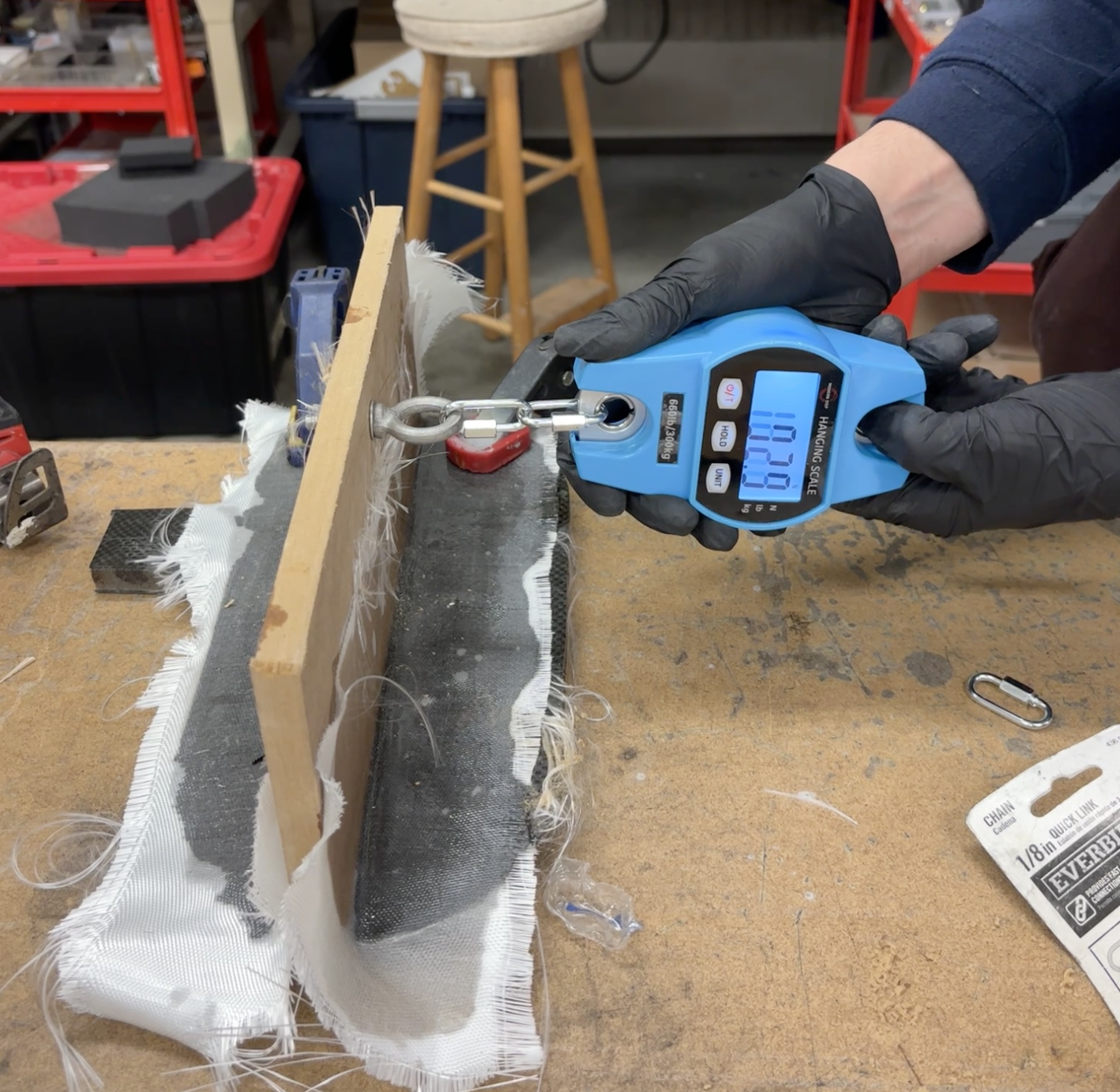
I headed a major repair to the MDF substructure to ensure our mold maintains the intended geometry during curing, which was preceded by bench testing and team recruitment.
Most excitingly, I led the effort for the actual layup, spanning almost exactly 24 hours, and concluded in a road trip to our sponsor who cures our large layups in their ovens.