ZJU Semester Abroad
Semester Exchange with Zhejiang University in China
Shuffle Pro
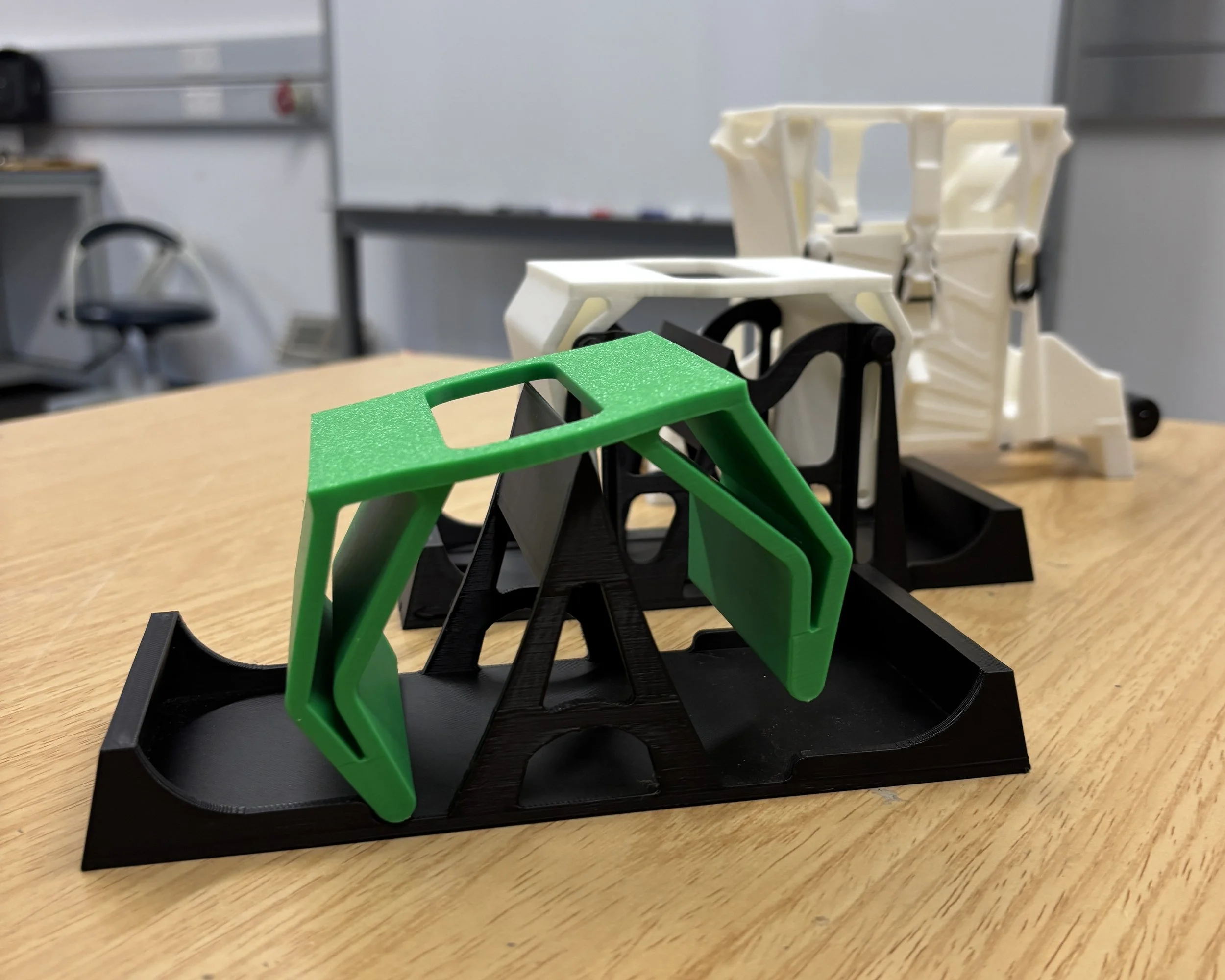
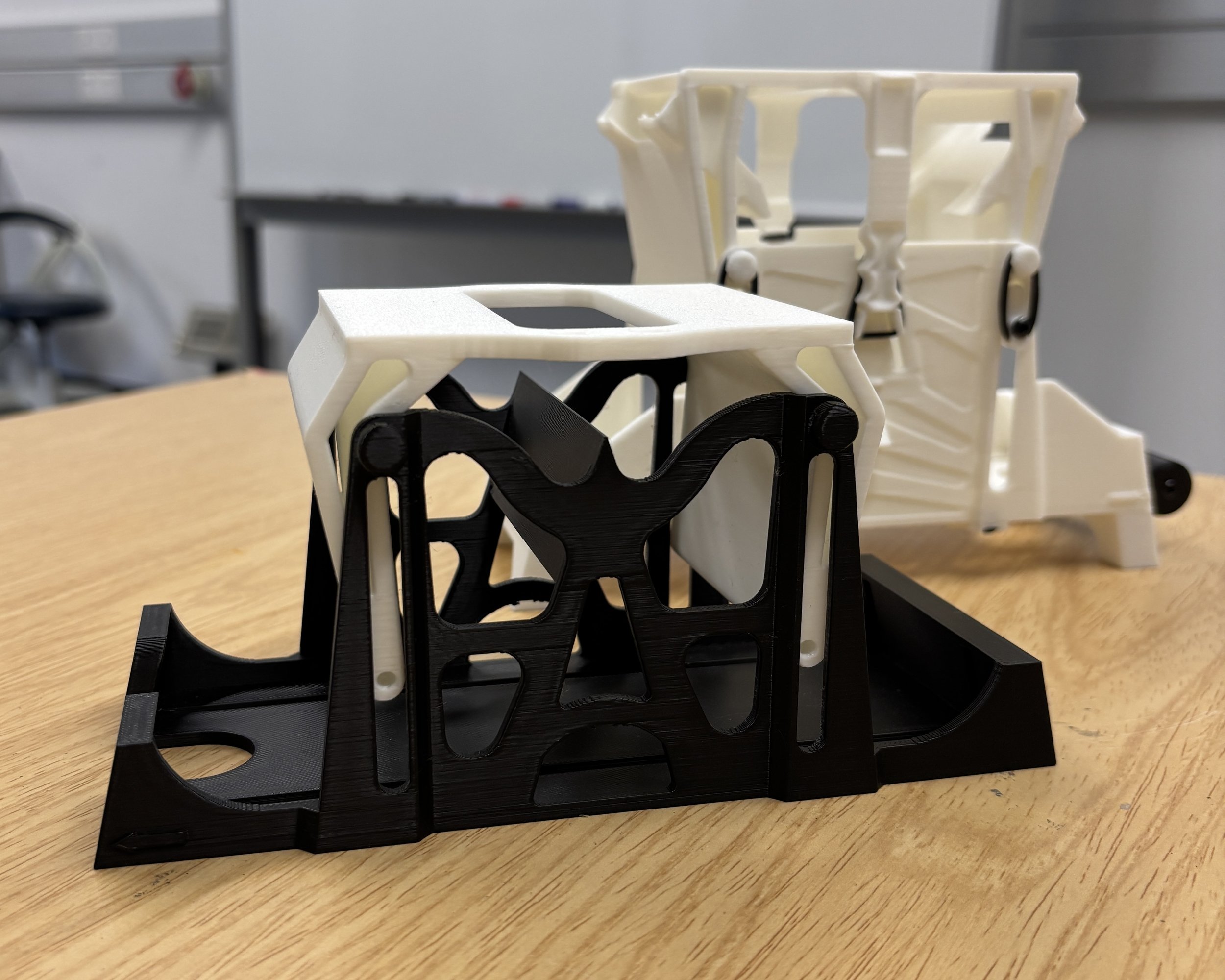
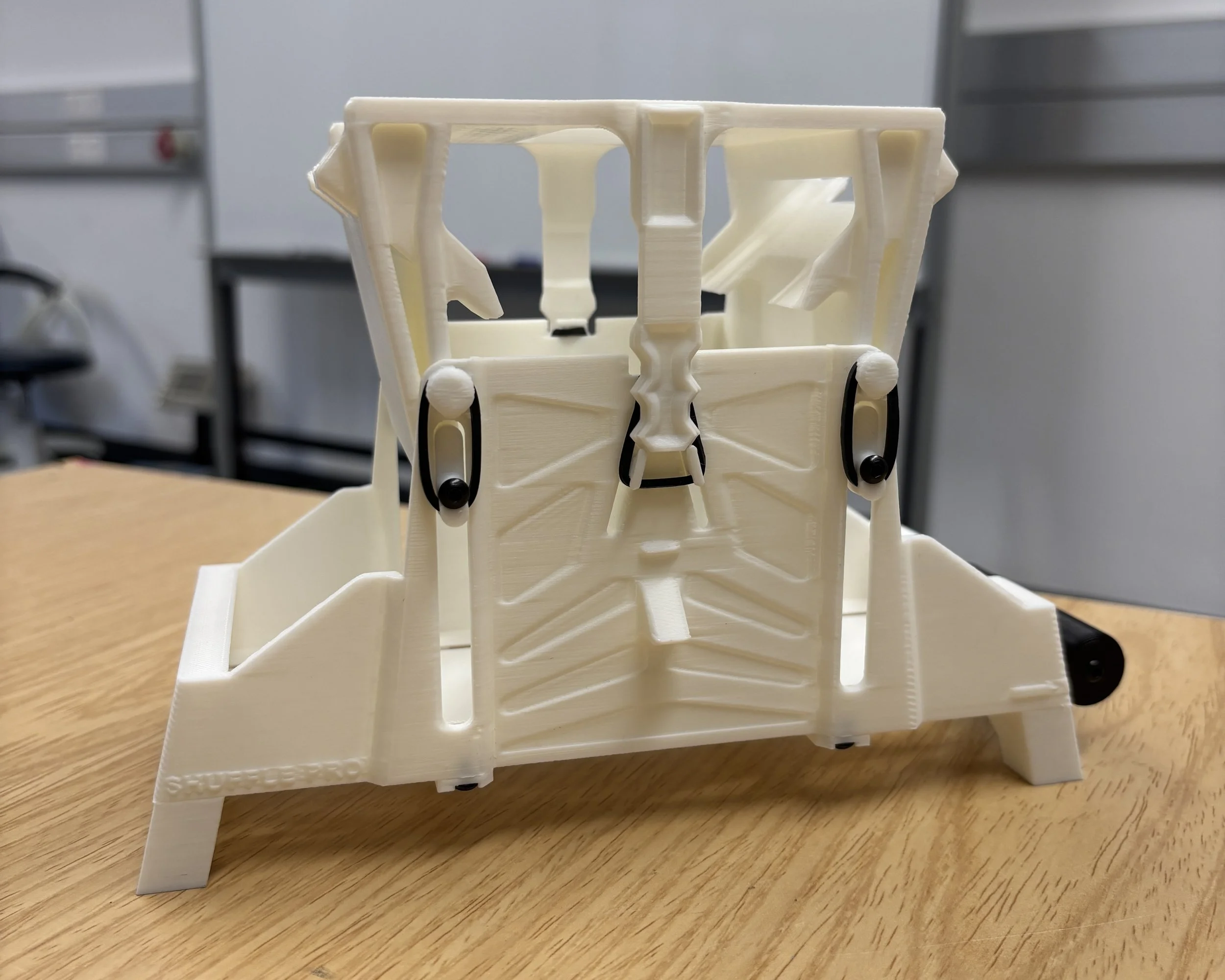
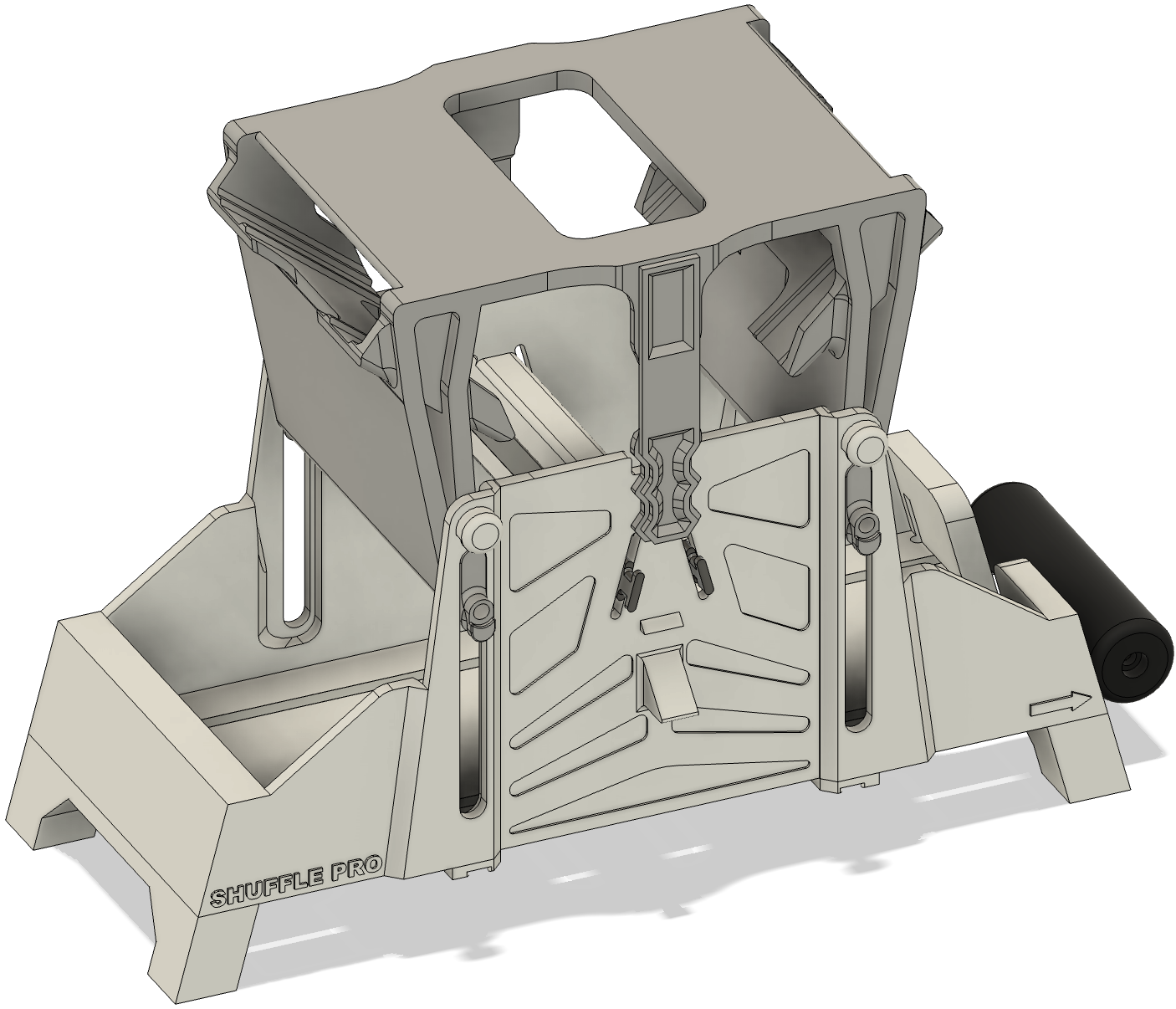
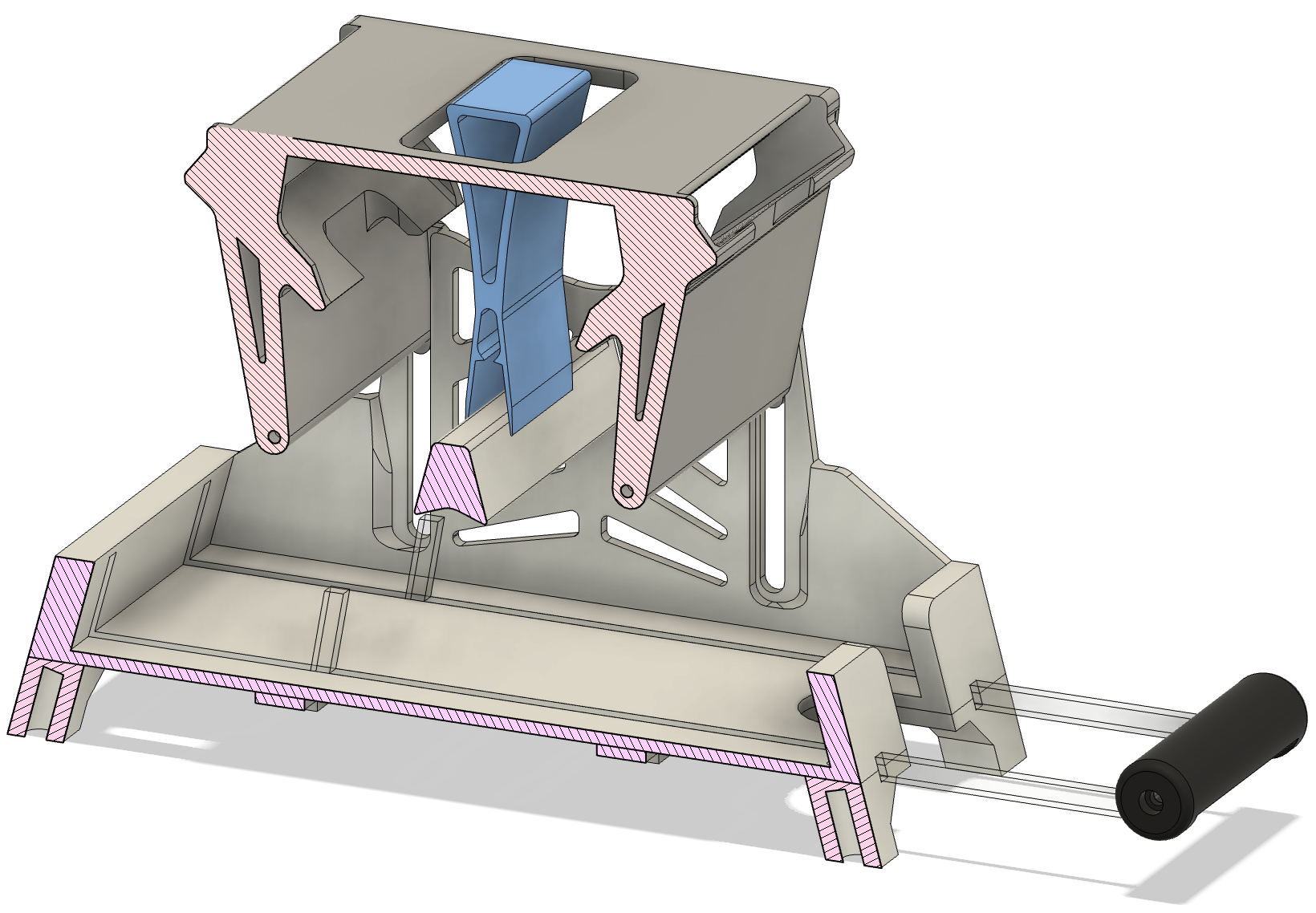
Novel, Mechanically Actuated, Automatic Card Shuffling Device
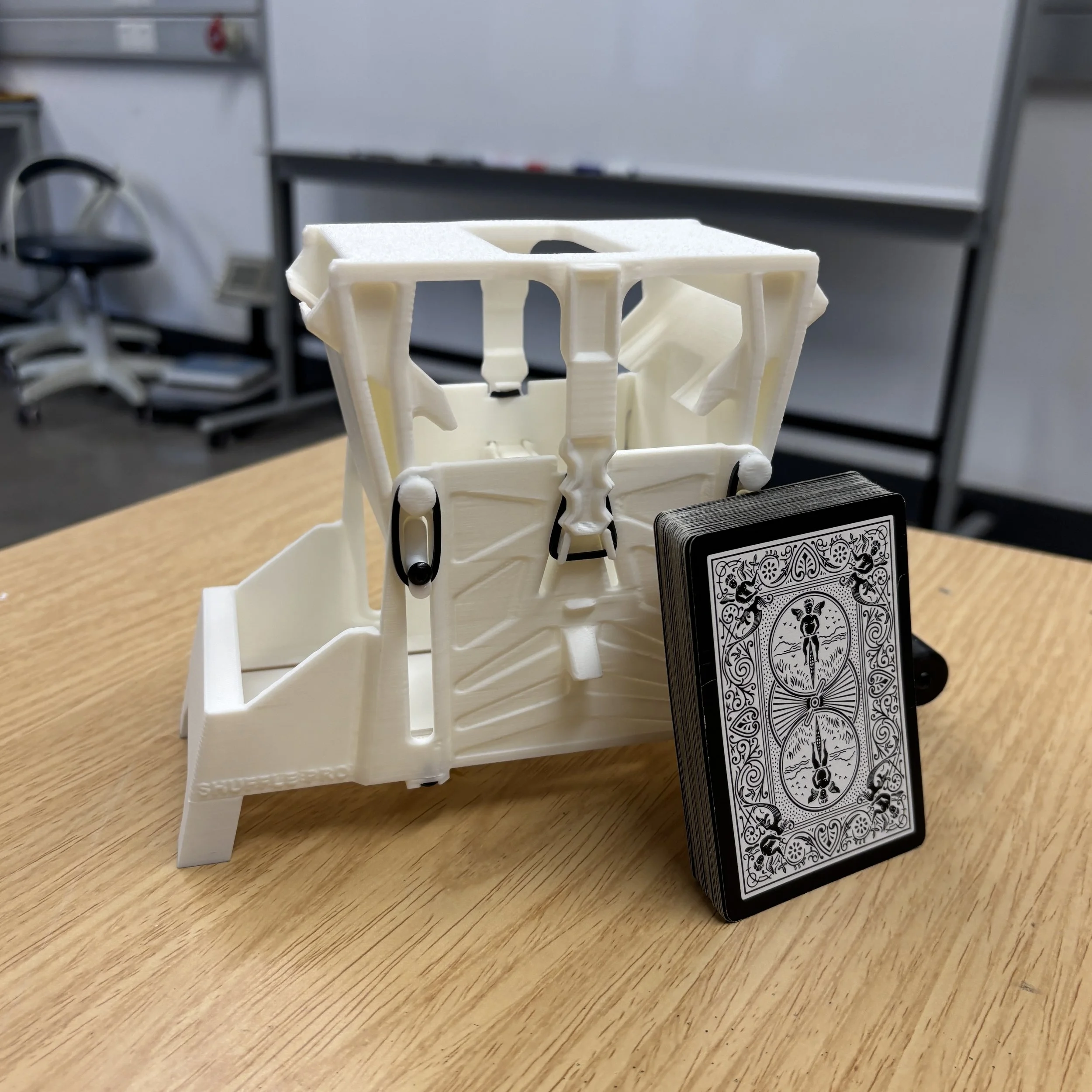
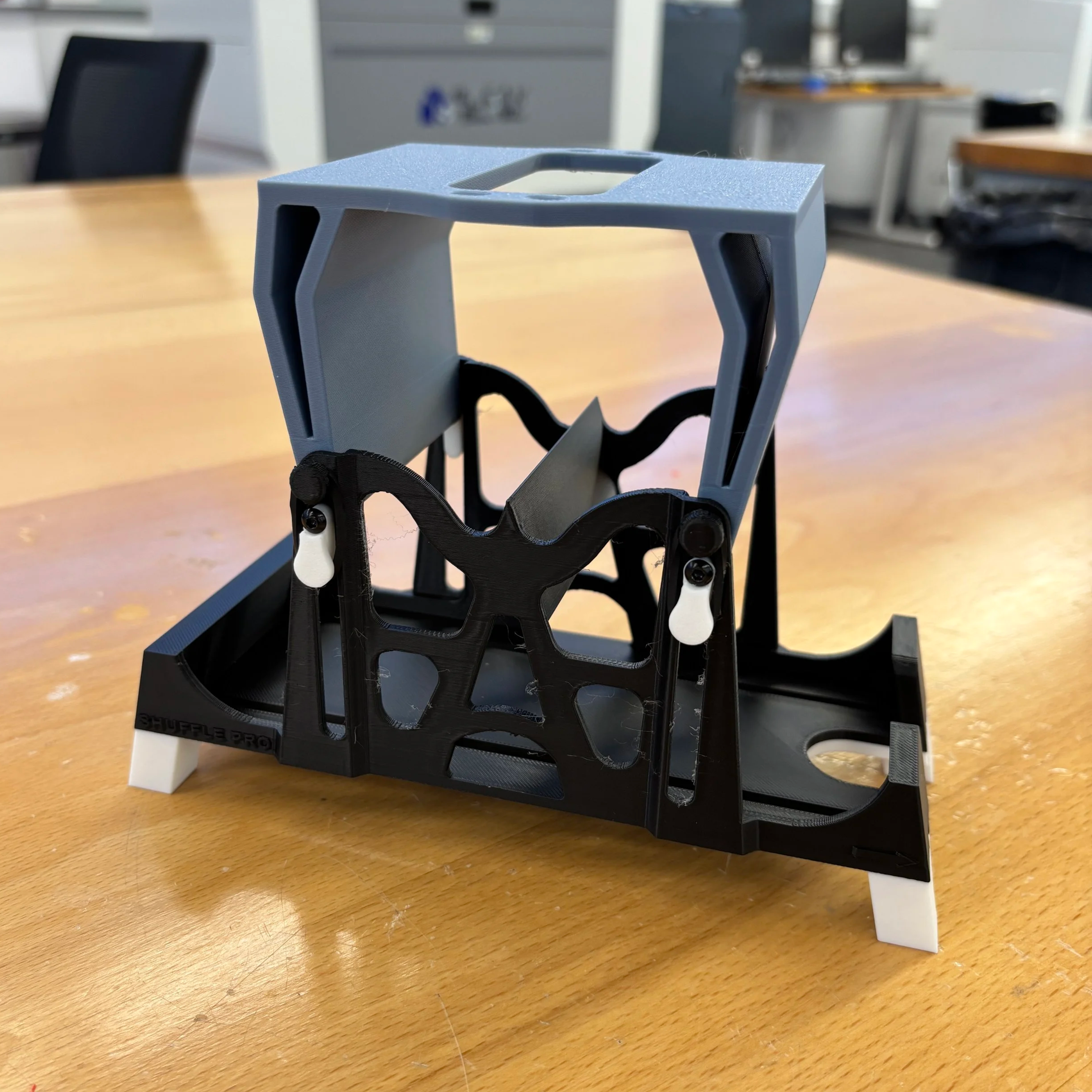
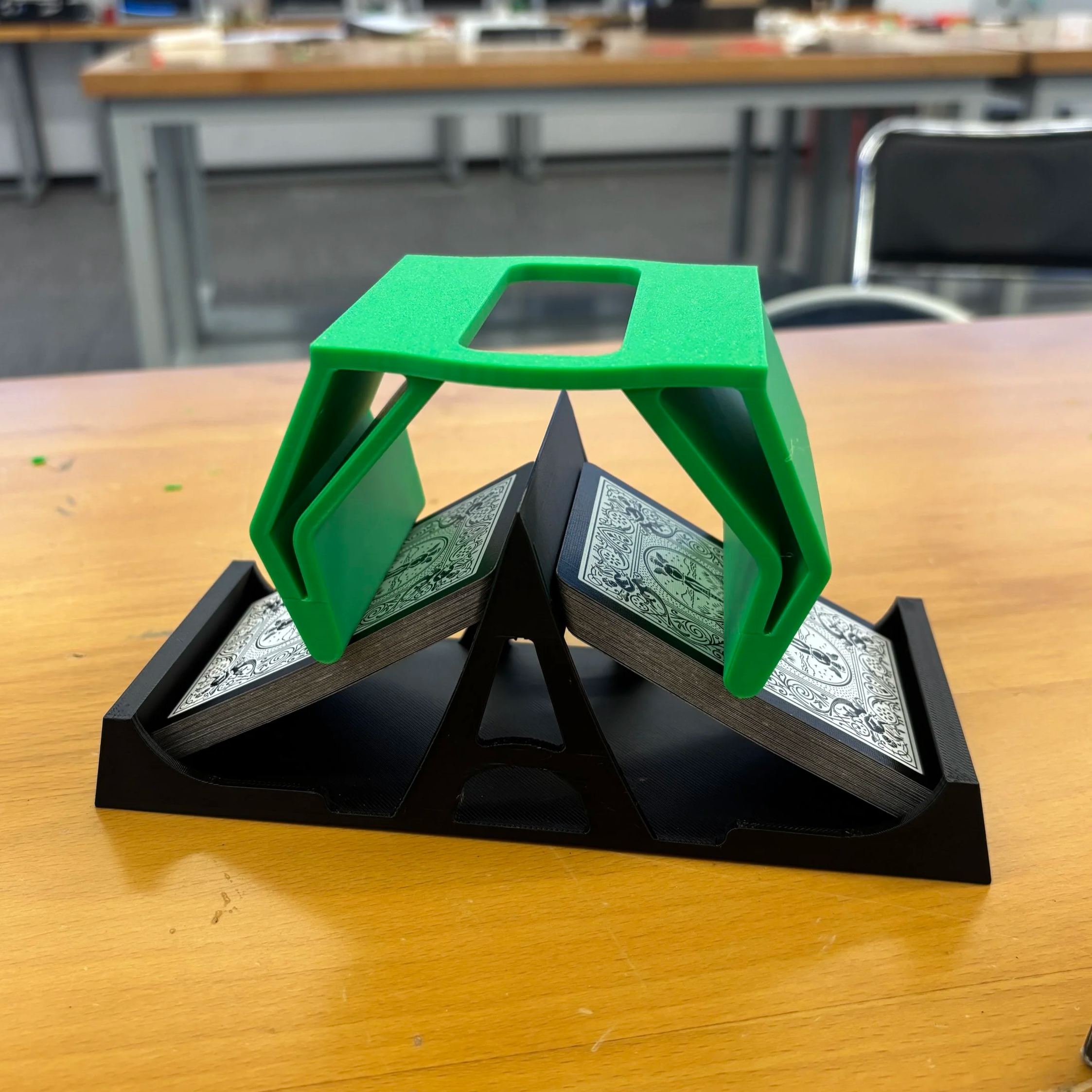
As a part of my coursework abroad I enrolled in a class titled Design for Manufacturability (DFM), and at the core of this class is a semester long group design project. The constraints were simple but effective for highlighting the content of the course in context.
Our product had to:
Have at least 2 moving parts
Solve a sufficiently novel problem
Cost less than $30 to prototype
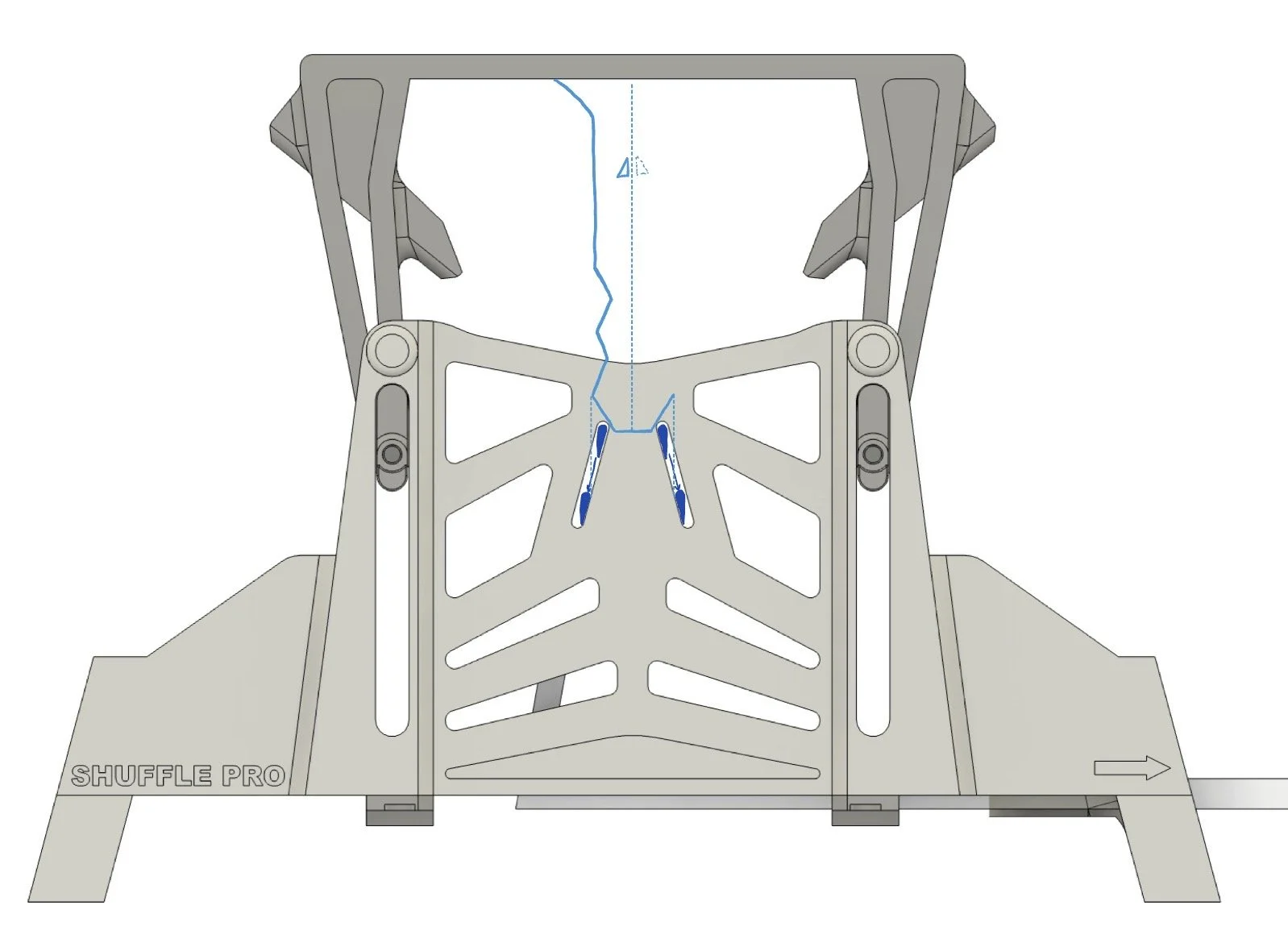
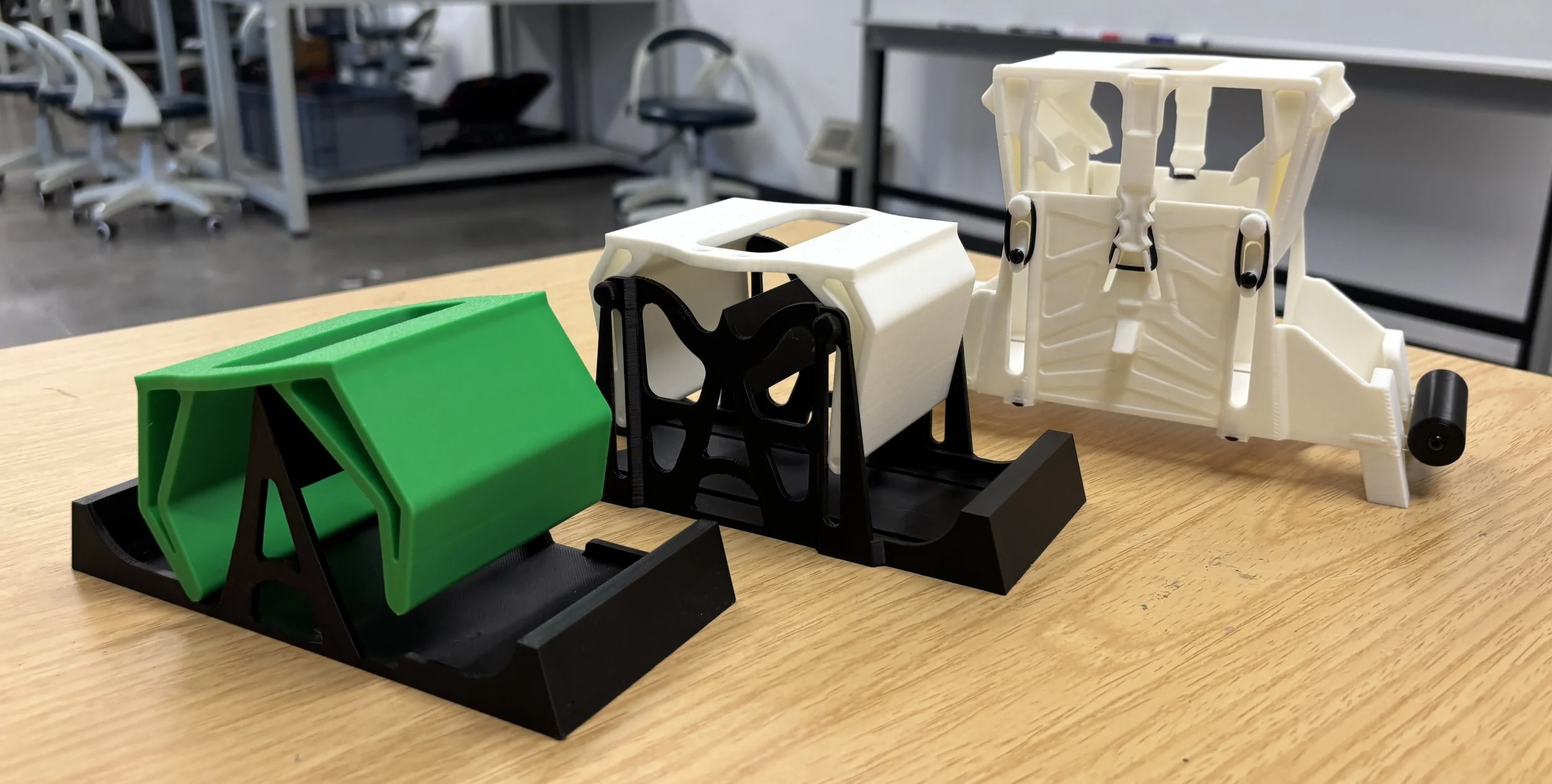
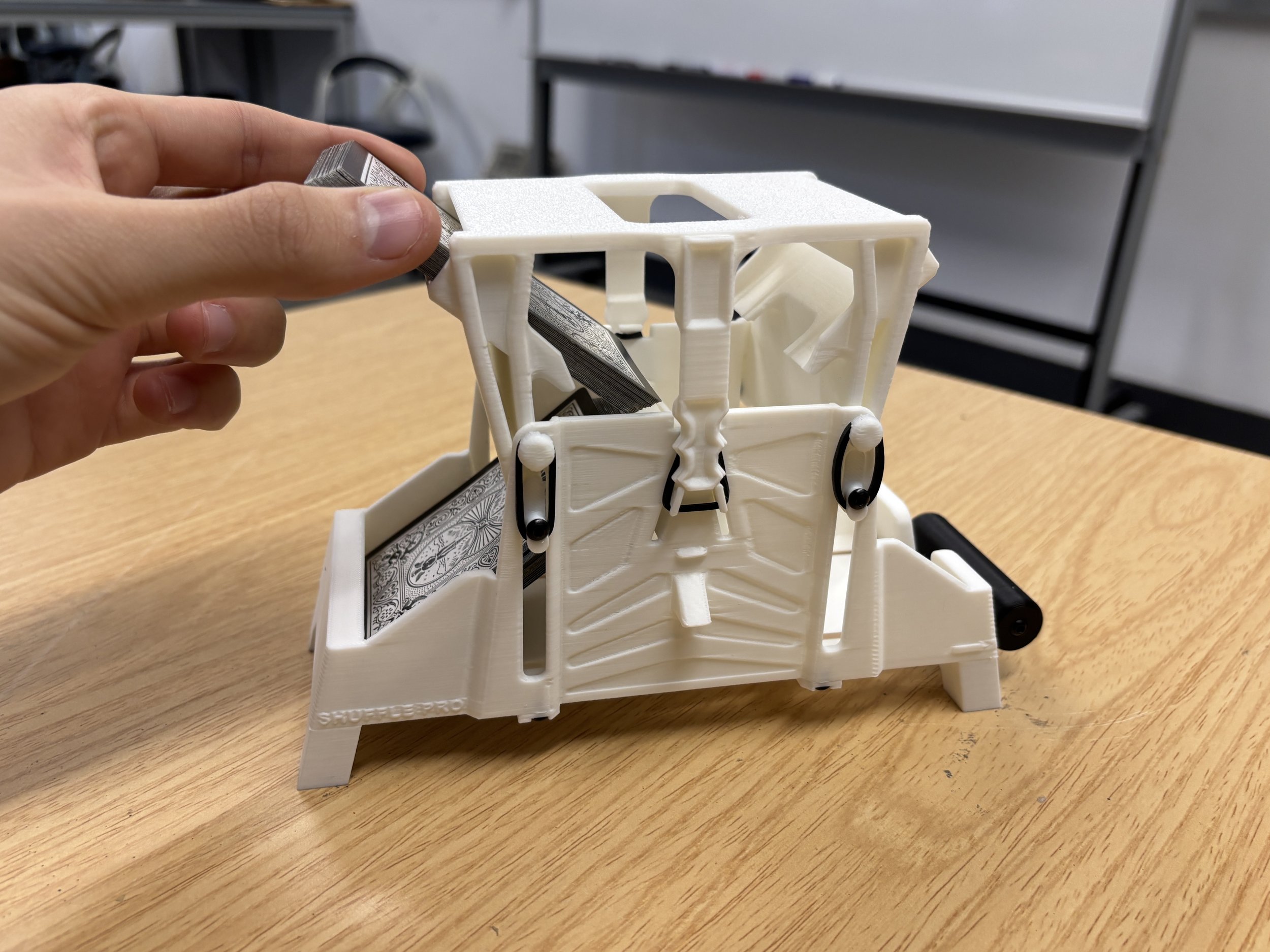
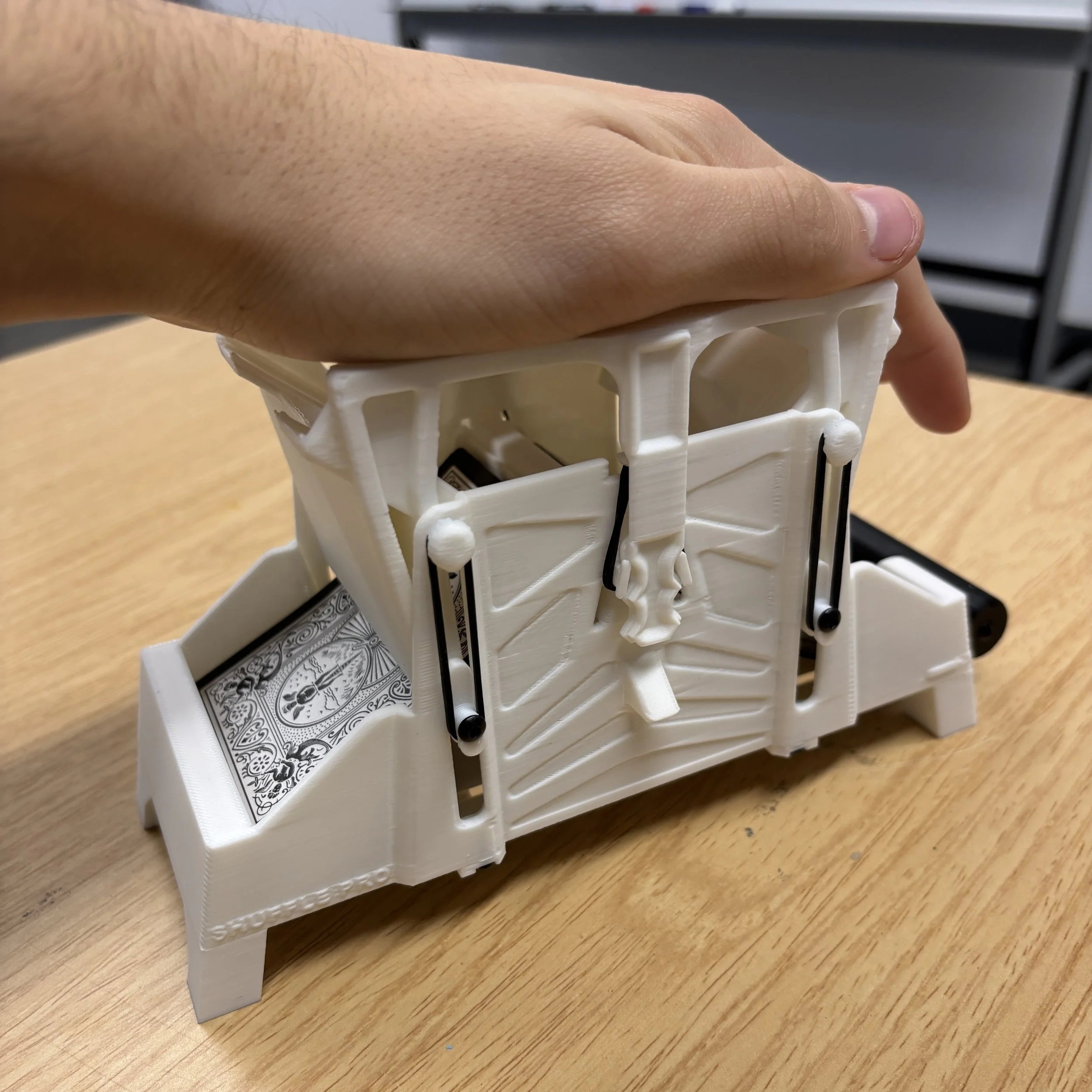
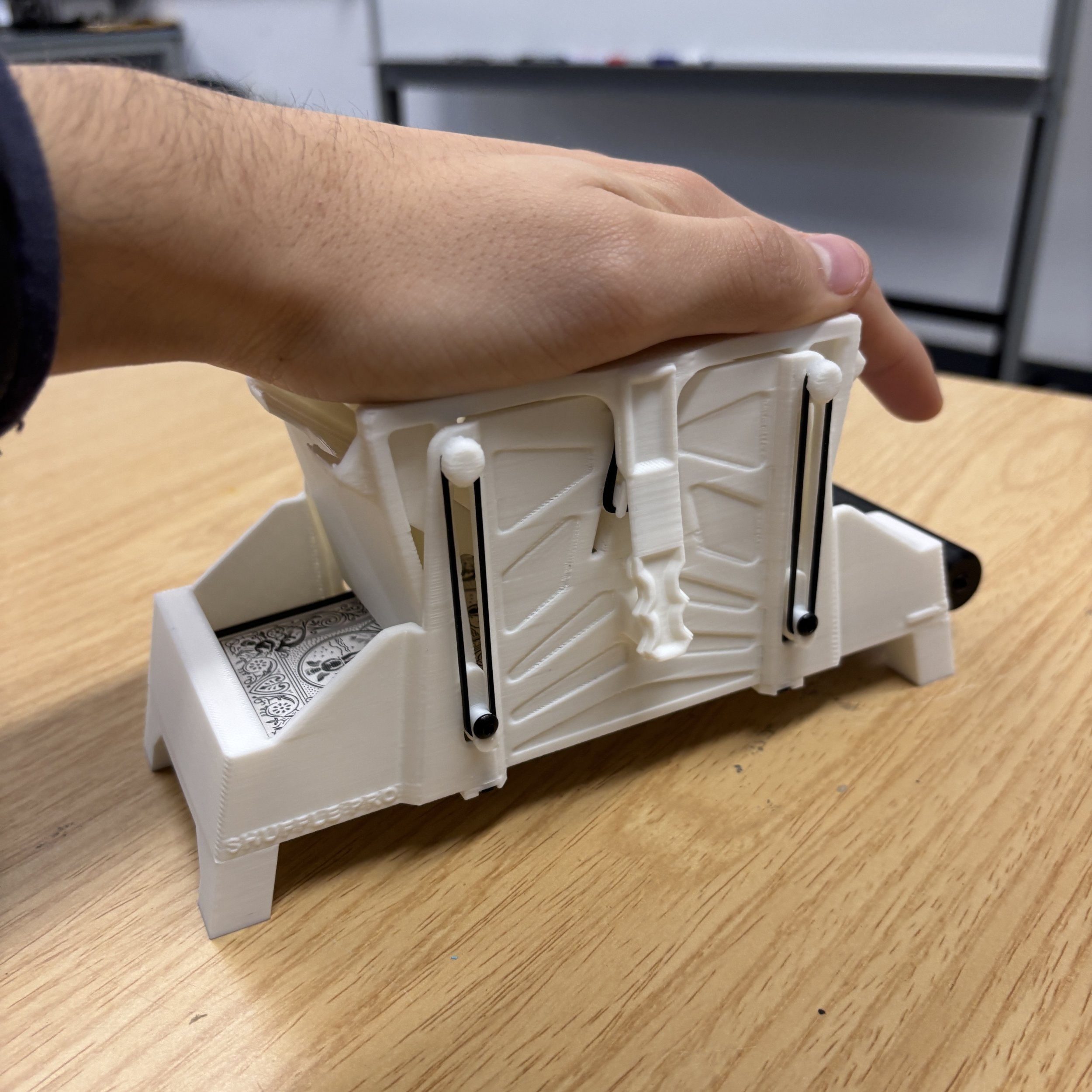
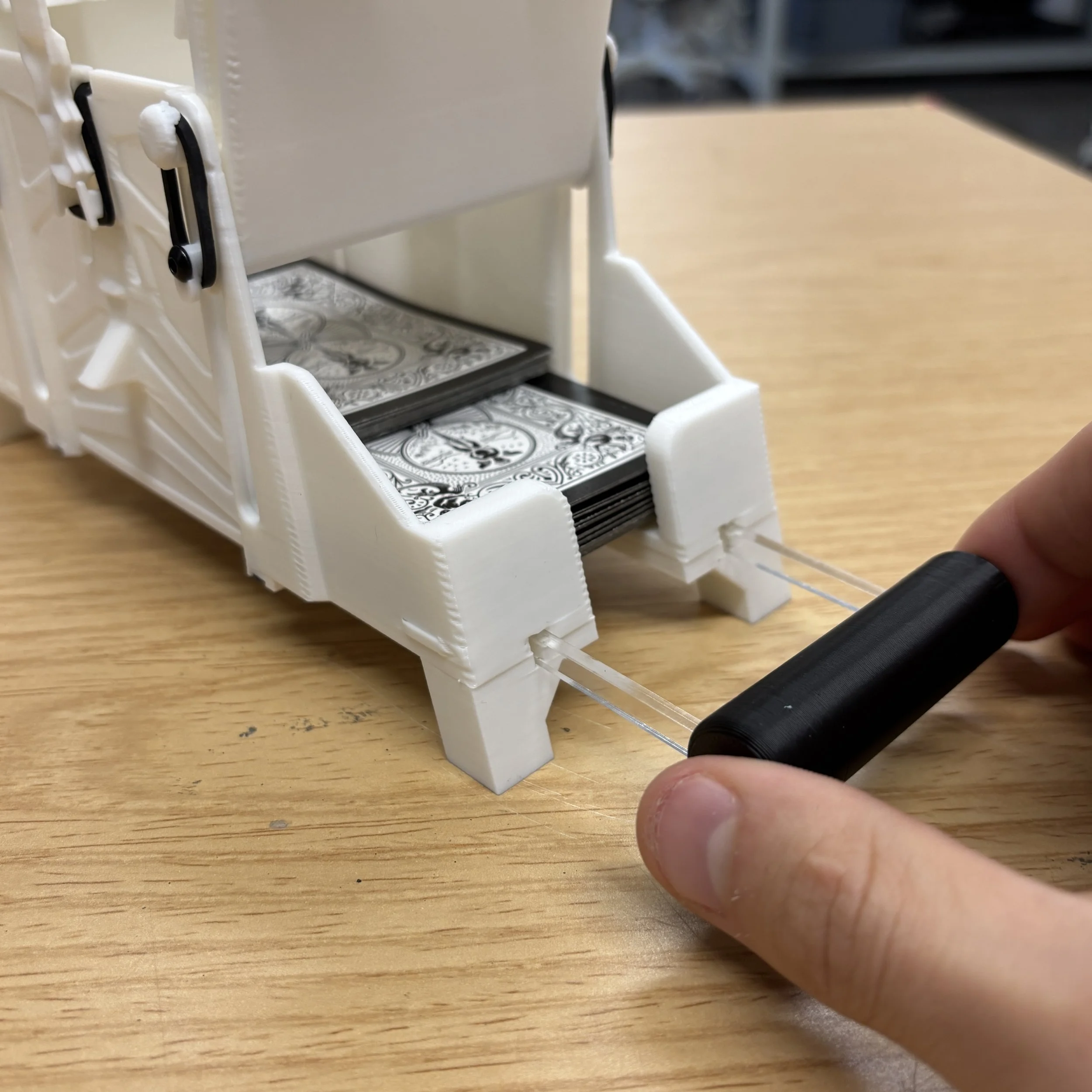
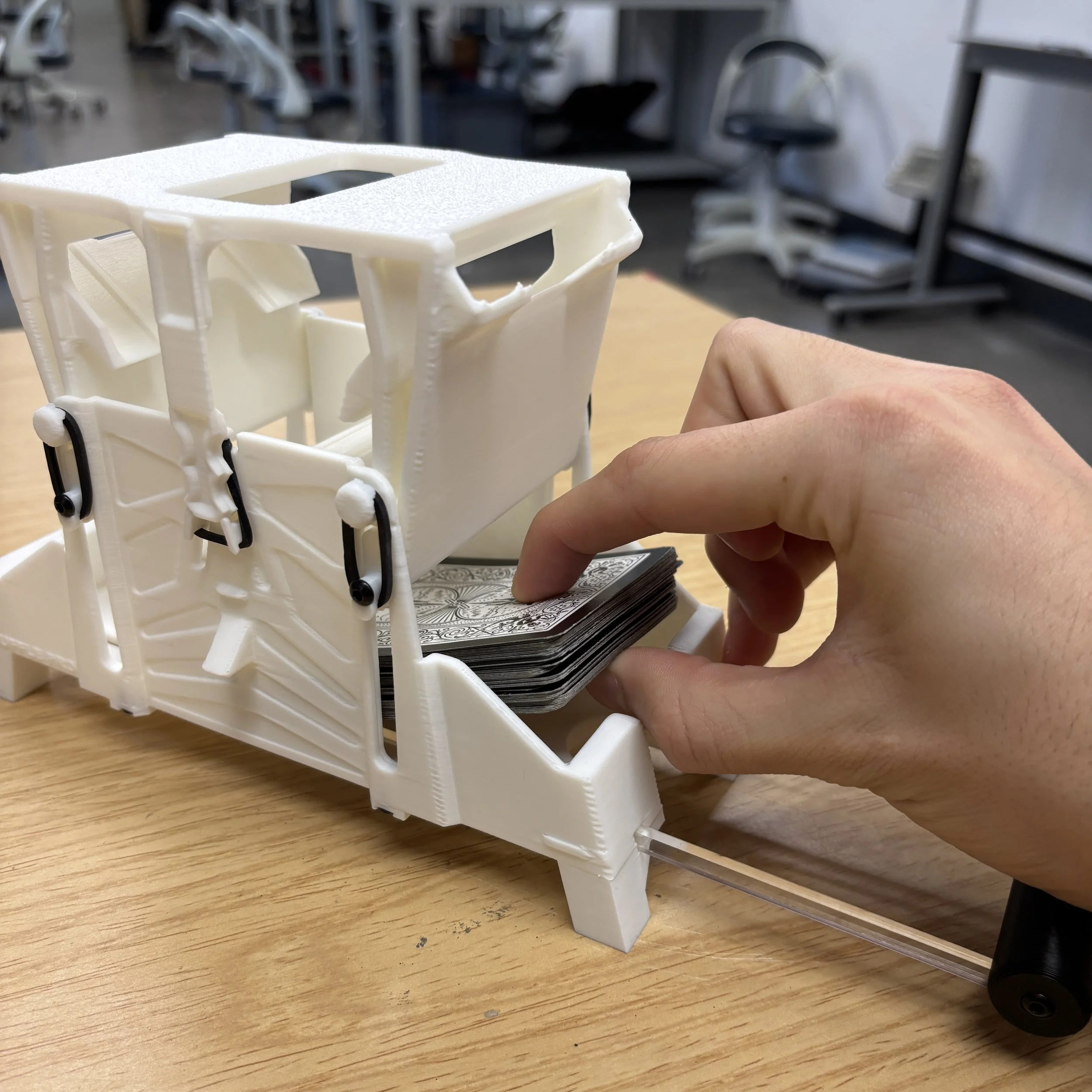
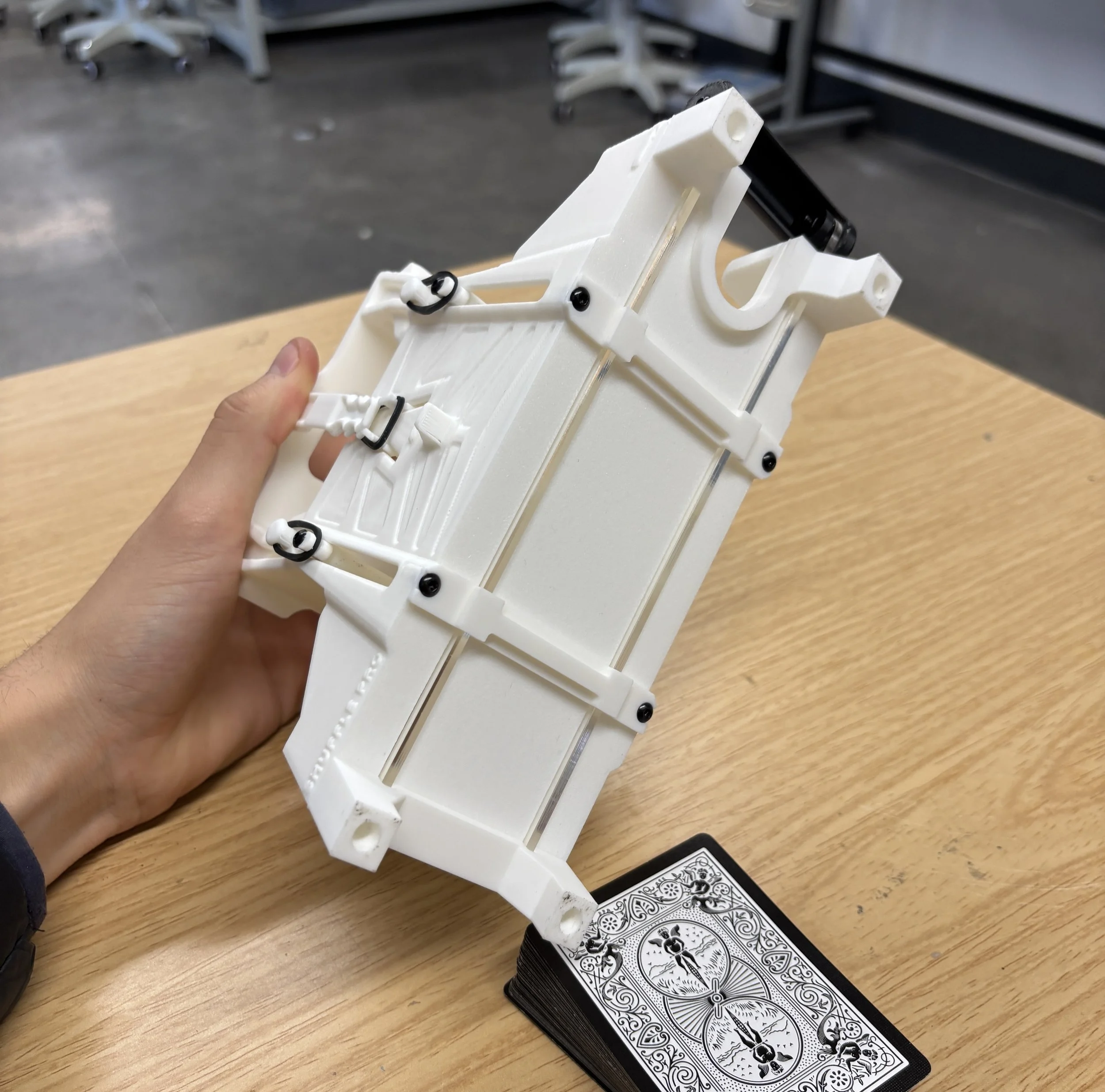
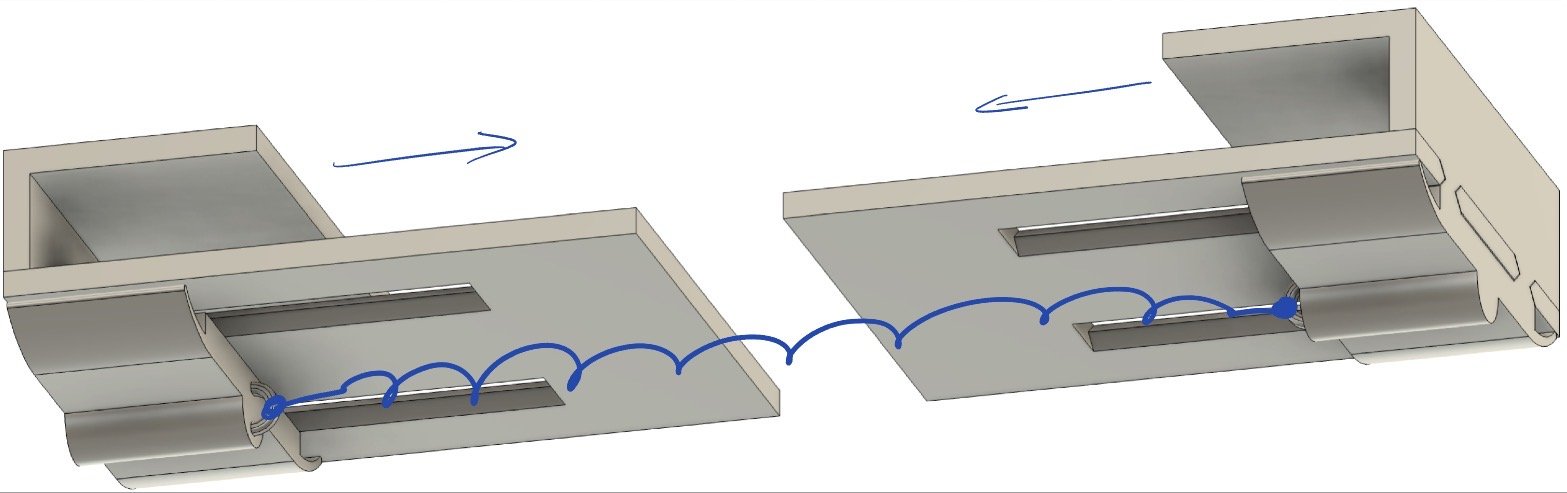
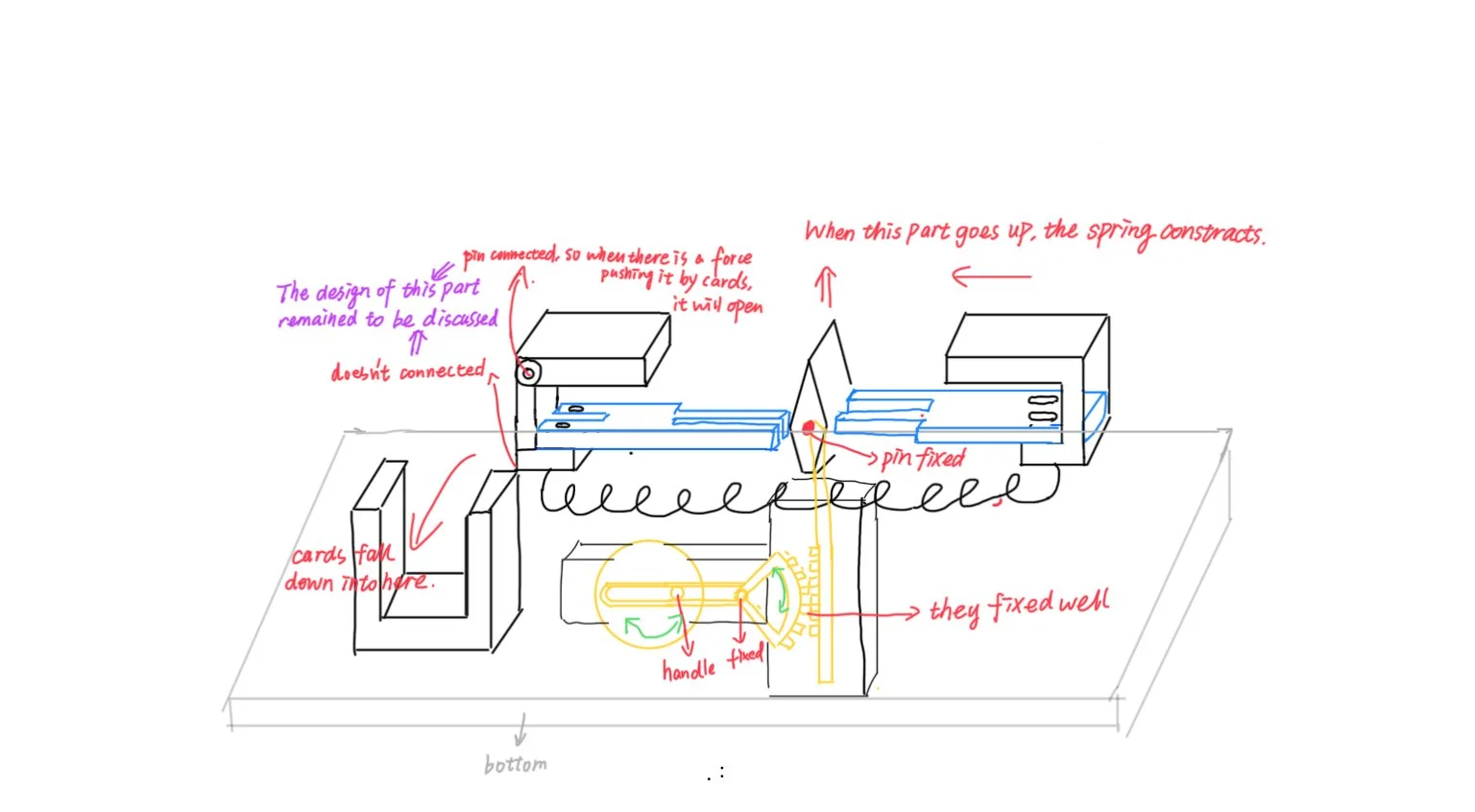
Our team settled on making an automatic card shuffling device that uses entirely mechanical action to operate the device. Furthermore, the aspect which makes it most novel is that the device shuffles cards in a way similar to how a human would shuffle cards by hand, and thus reduces some of the patterns that arise from shuffling devices which are too predicable.
After many prototypes, design changes and endless tests, we finally settled on our final prototype which would theoretically be our final step before pursuing mass manufacturing.
Exploring Manufacturing
Lectures, Labs and Local Factory Tours
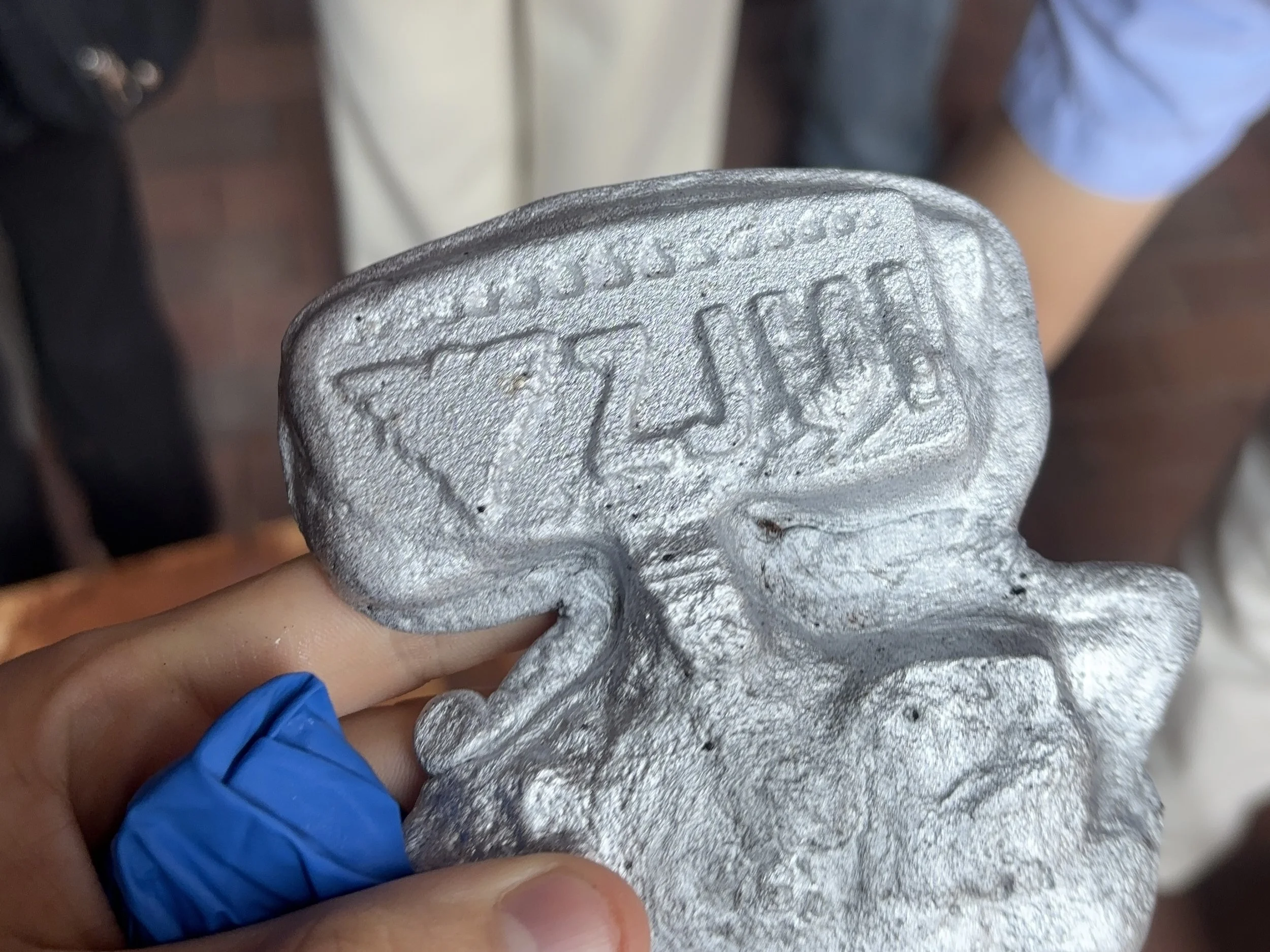
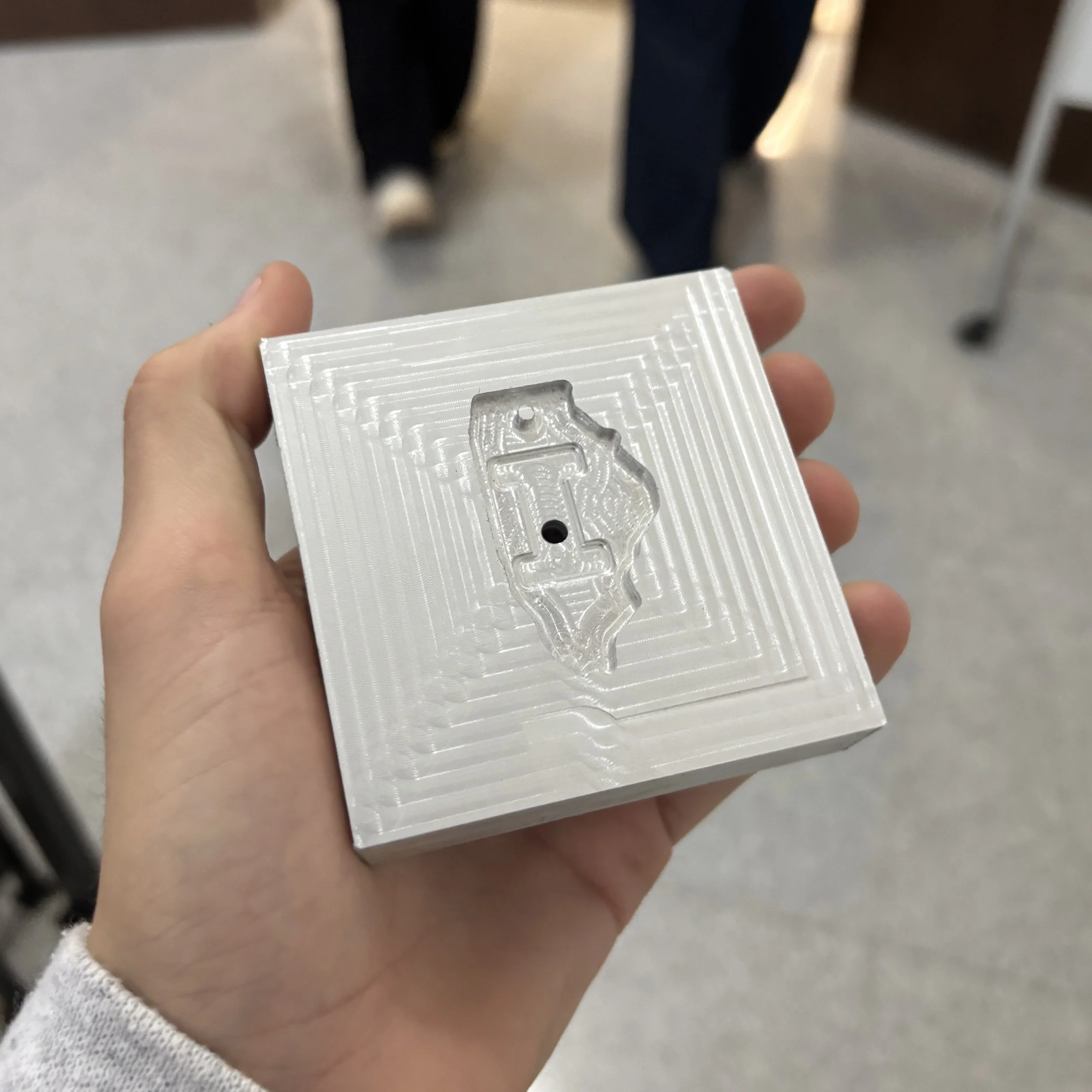
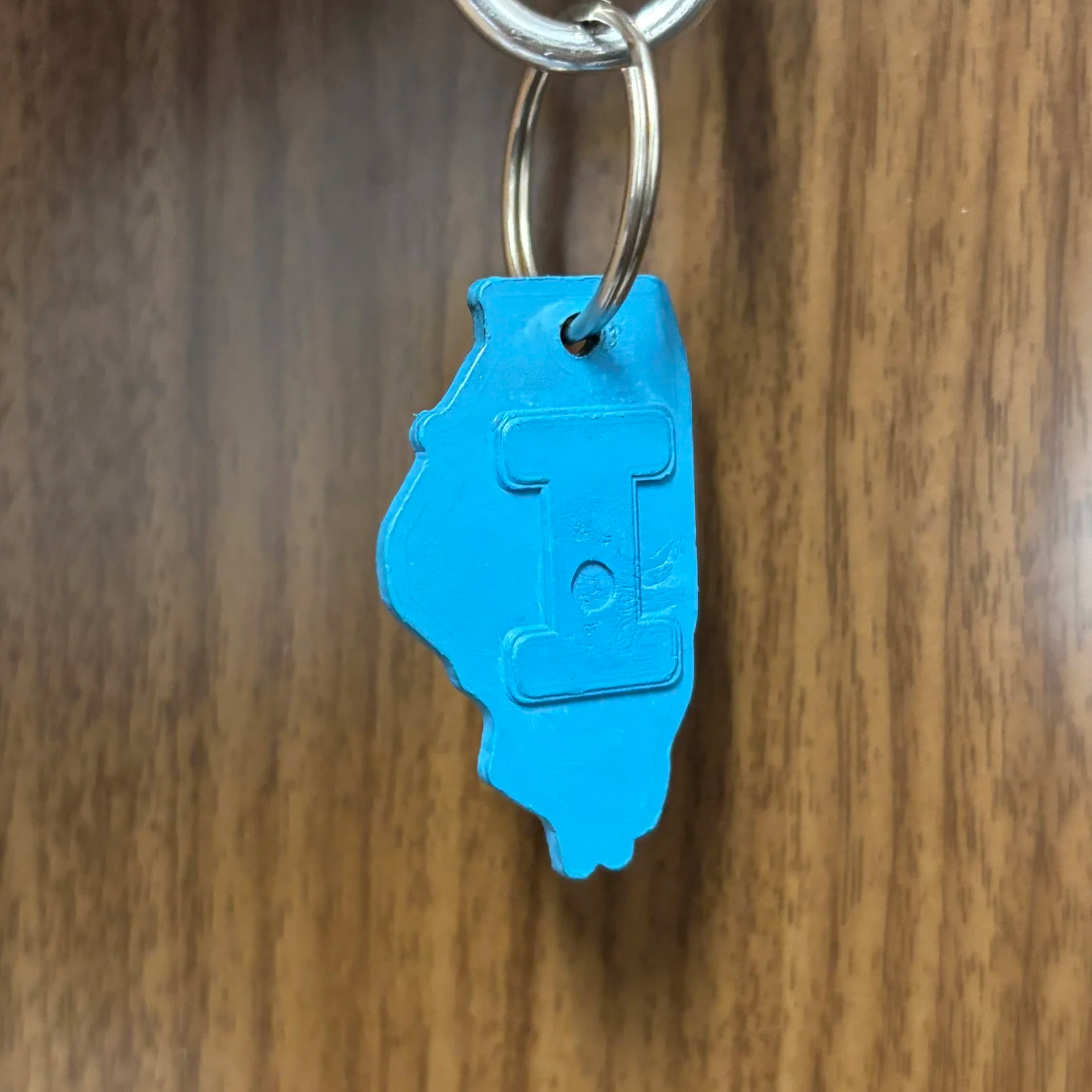
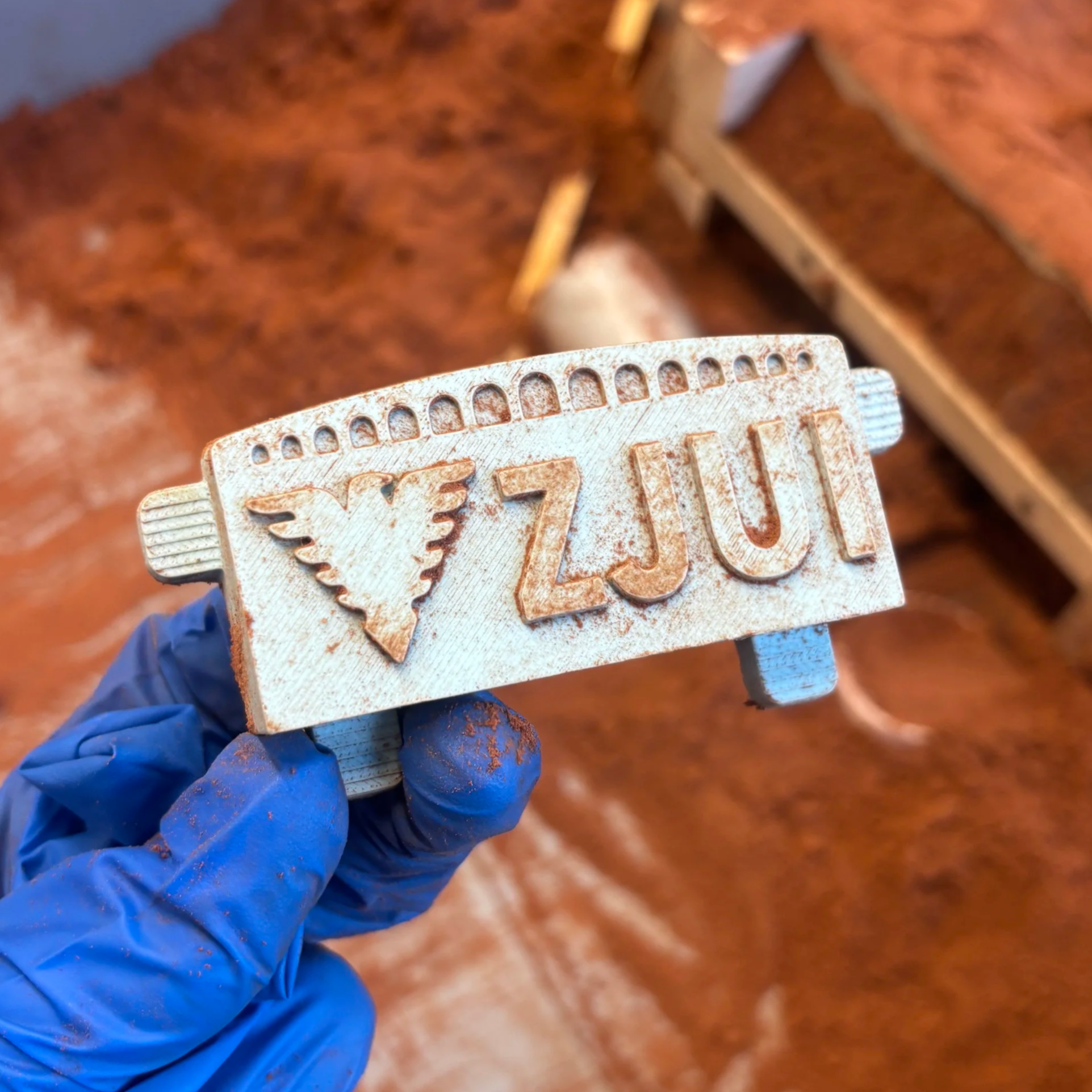
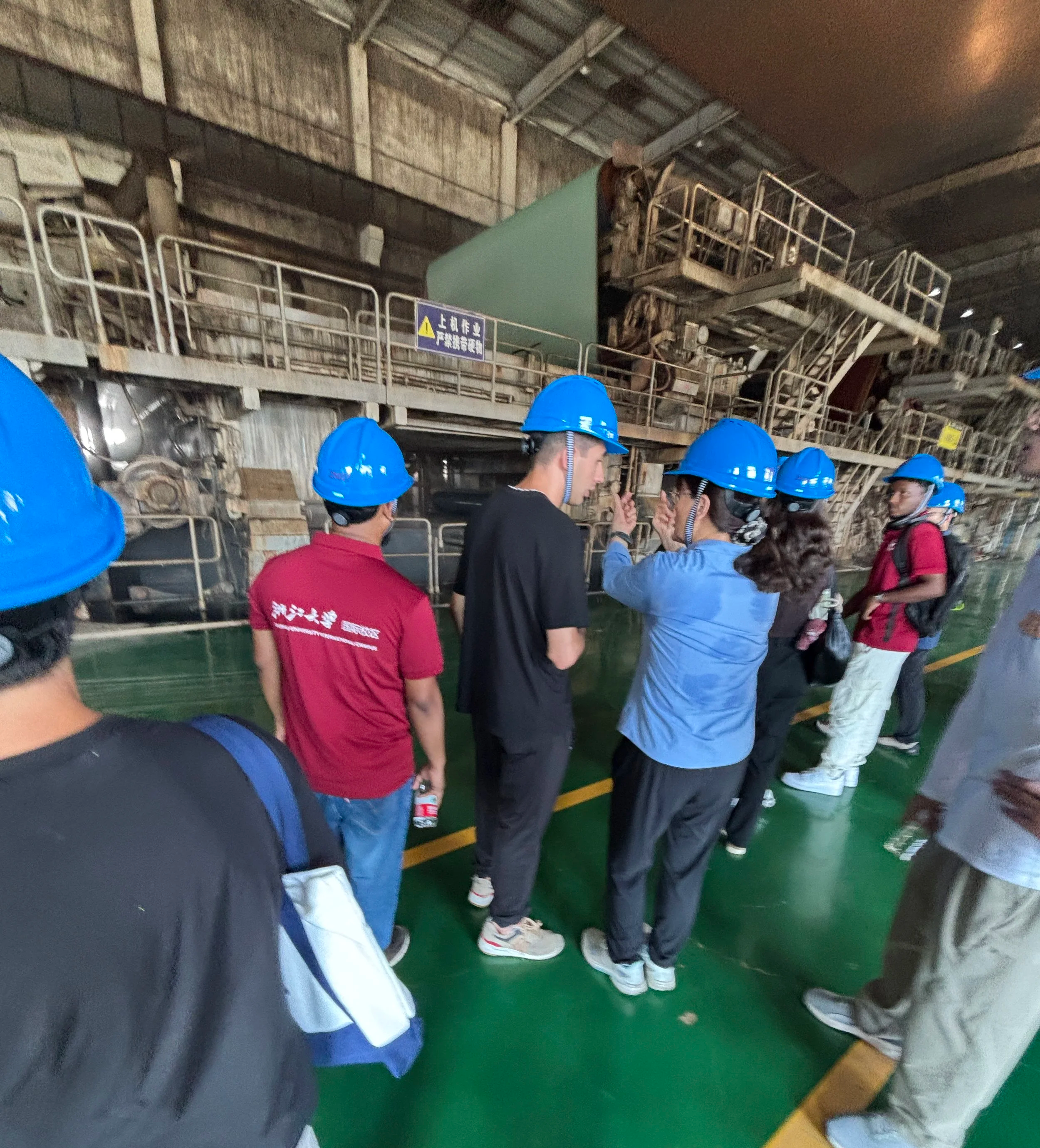
As a part of the same class mentioned above, when not working on our project, we were learning about all types of manufacturing methods in lecture, and practicing a new one each week during our lab section. And then outside of the classroom, the university offered tours of local manufacturers and their facilities, which provided eye-opening insight into how many of the world’s cheapest and most prevalent products are produced.
In class, I most enjoyed learning about the vast array of injection molding and casting methods, and how each type has certain applications it is best suited for.
In lab, I particularly enjoyed the injection molding and sand casting labs, since I got to have lots of creative freedom with the parts we would produce, and how it combined many disciplines to make more refined products.
Finally, my favorite factory tour was of a paper mill, since despite seeming simple on the surface, it was fascinating to see how the lack of American safety regulations and labor costs allow for obvious reductions in monetary cost.
Cultural Integration
No, I don’t mean calculus
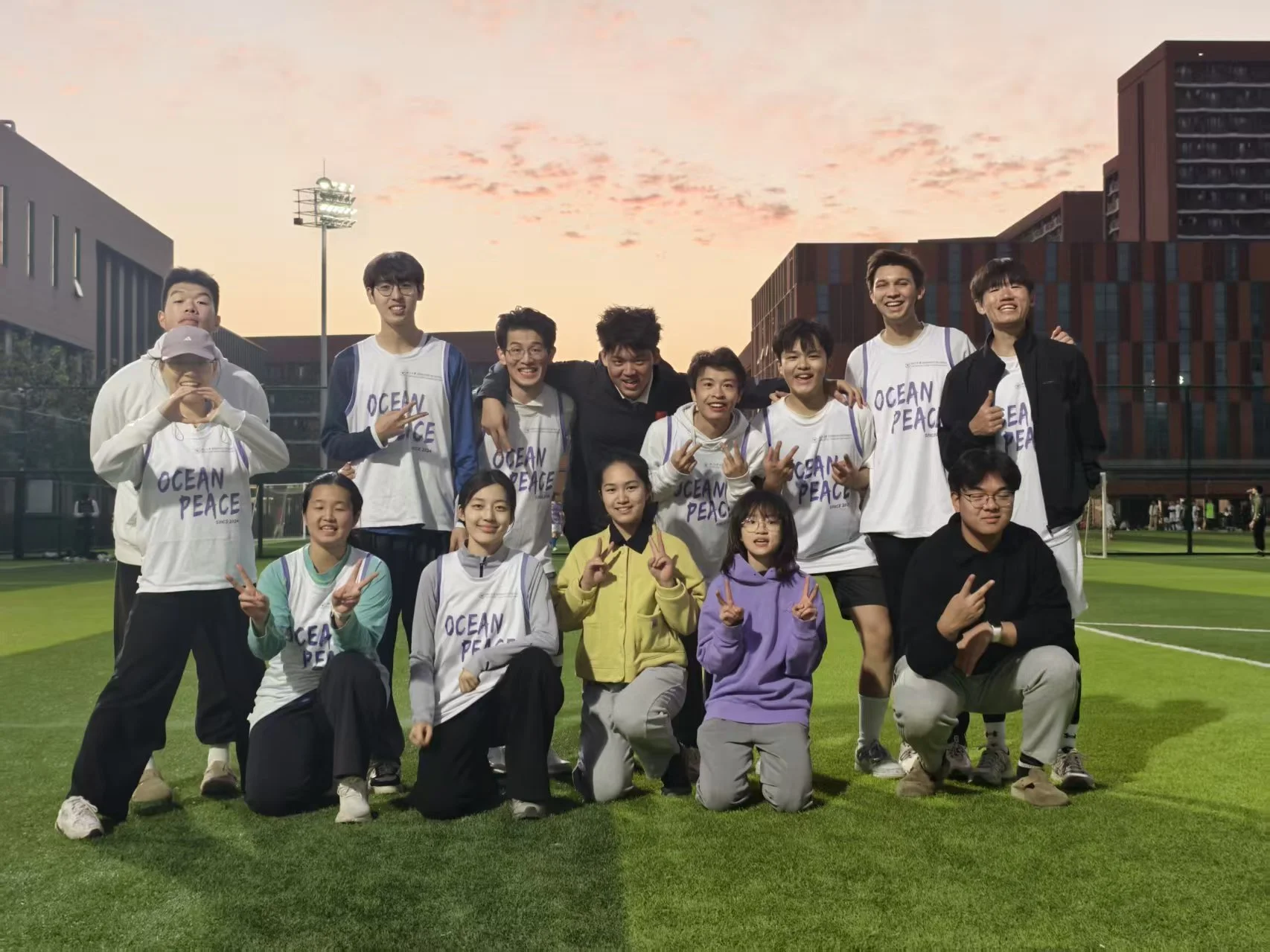
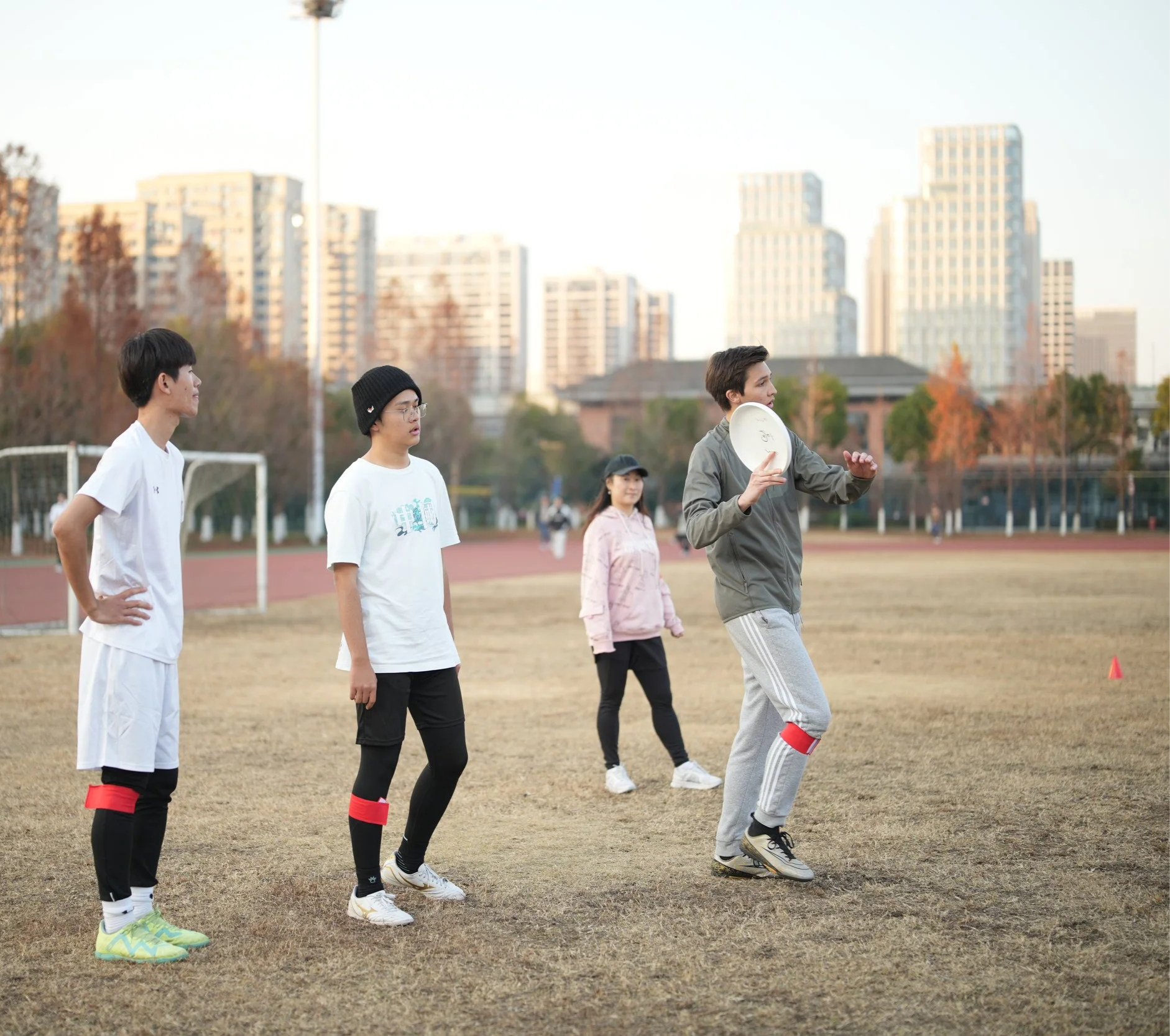
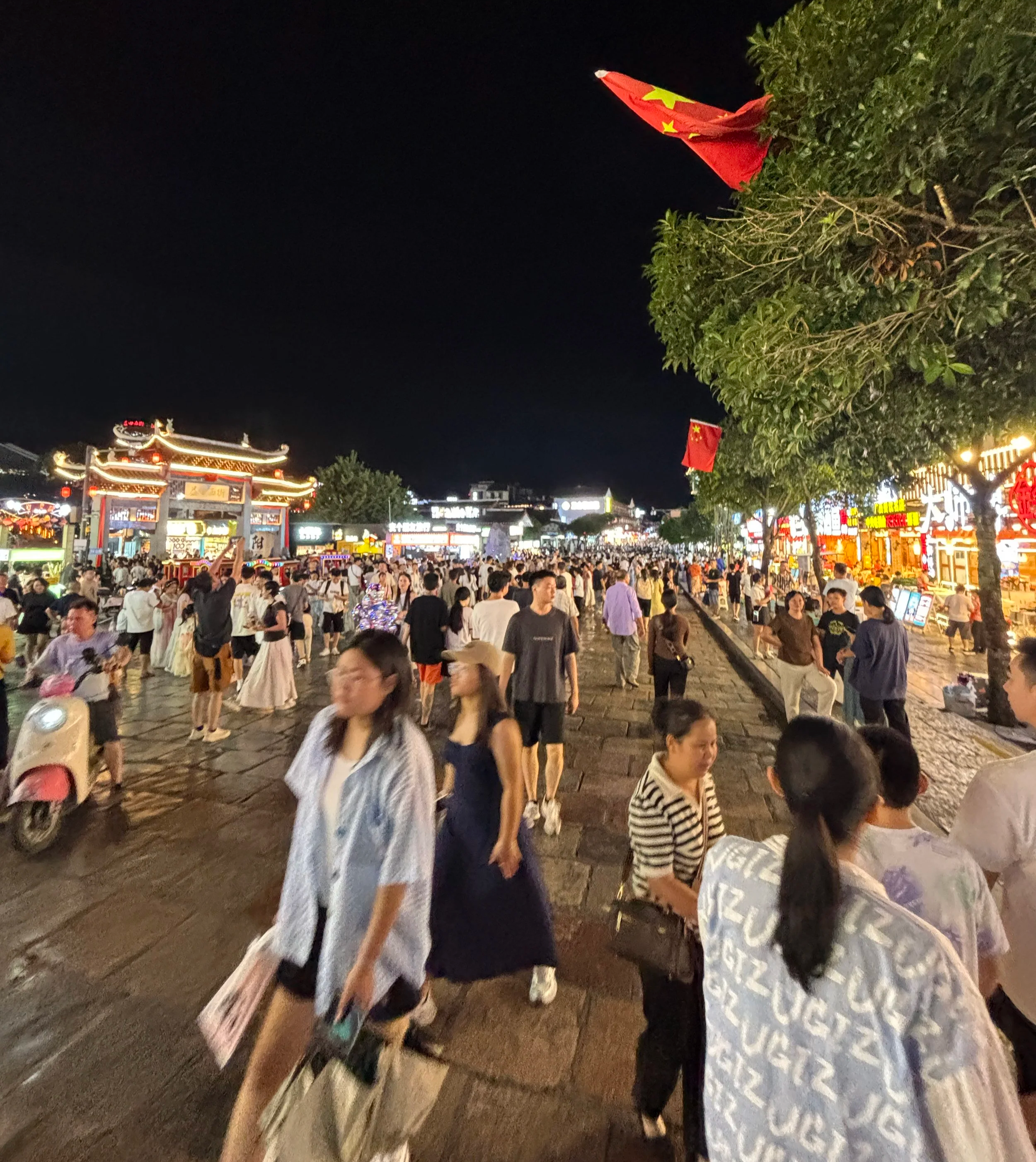
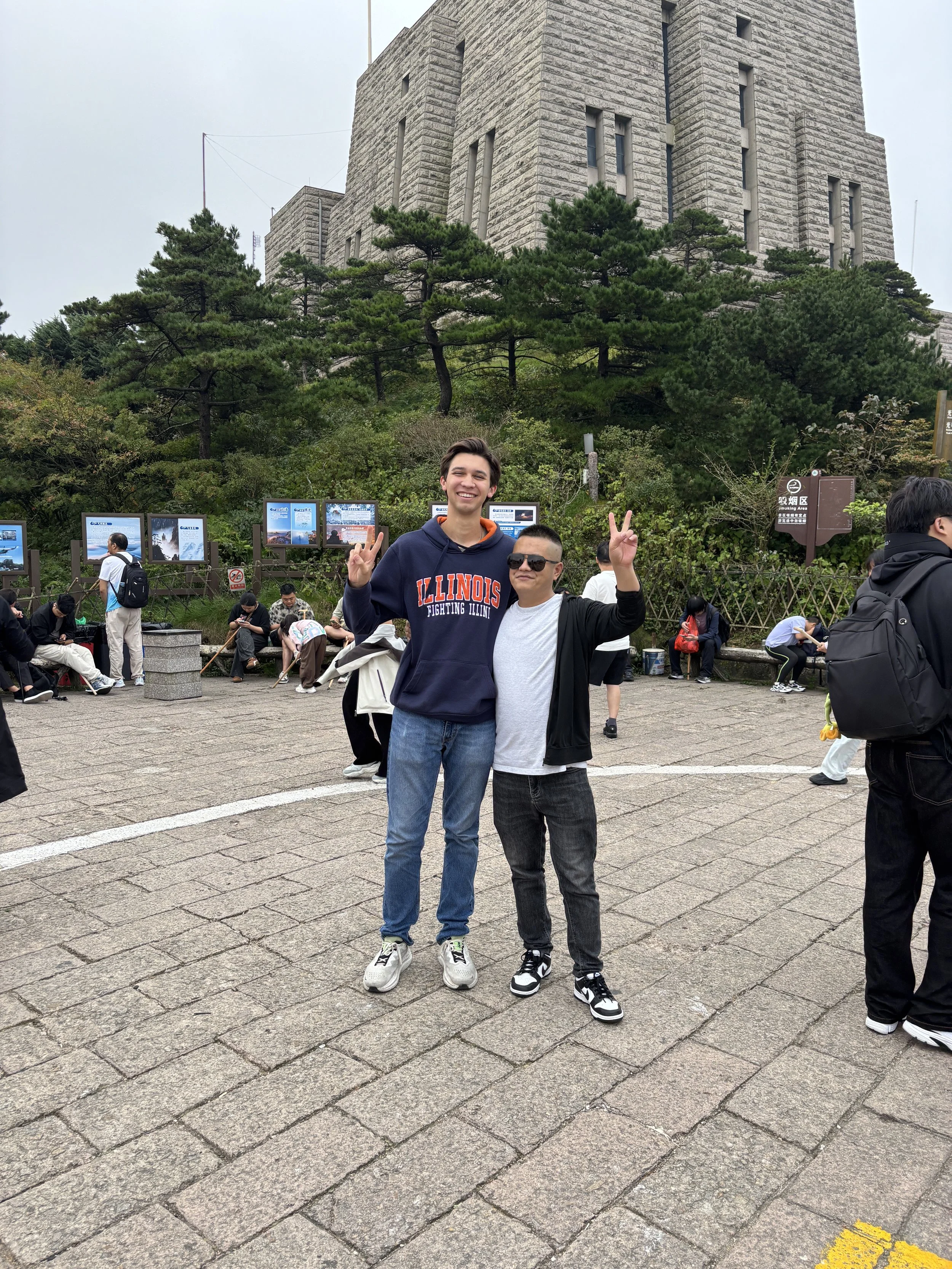
Going into this semester, I didn’t want to spend 4 months as a tourist in China, merely immersing myself, but rather, I wanted to learn how to live in tandem with everybody else here as best as I could given my limited time frame. This meant taking a Chinese class, joining organizations where I was the only foreigner, and venturing out on my own.
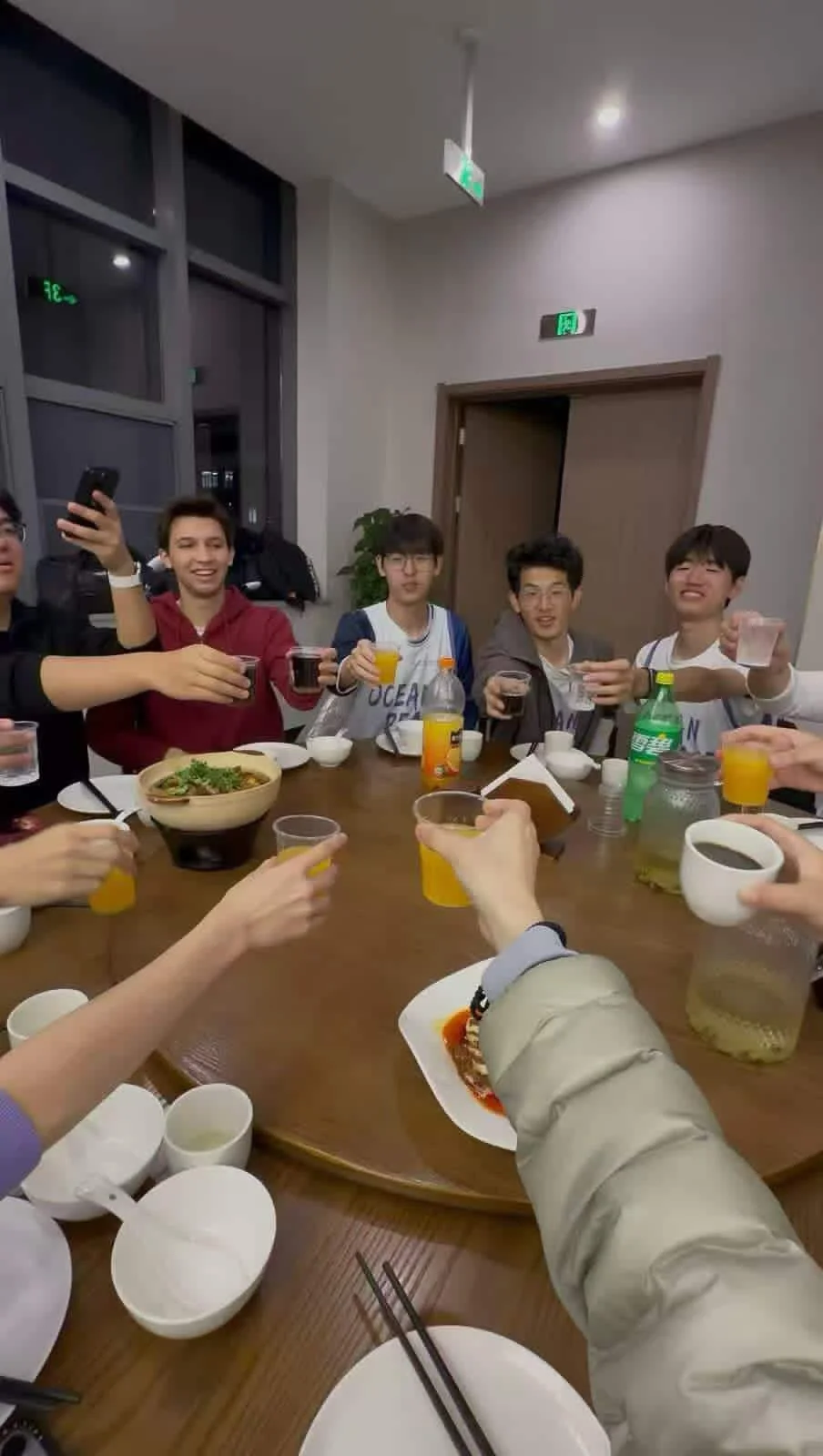
Despite my Chinese being one of the hardest courses I took while I was here, it was by far the most rewarding and immediately applicable. All of us foreigners bonded through the struggle of learning this language and leaned on each other as we practiced.
I also found myself on the campus’ ultimate frisbee team, and despite having no experience, the team welcomed me in and taught me everything they knew — both about frisbee and also life as a domestic student in China.
Finally, throughout my time abroad, I would routinely visit cities and attractions around the country, and it was extremely gratifying to see how each time I went out on my own I found myself more comfortable, confident, and fluent as I navigated cities, transport and markets.